KOLAISEVAL Tamil Movie Review
Cast -:
Kalaiyarasan, Deepa Balu, Balasaravanan, Aadhav Chanra, Gajaraj, Vijay Sathiya, Akaran Venkat and Others.
Crew-:
Banner : RP Films Produced by : R.P.Bala – Kousalya Bala Directed by : VR. Thudhivaanan Cinematographer : P.G.Muthiah Music : Santhan Editor : Ajay Manoj Art Director : Saravana Abhiraman Executive Producer : K. Rajasekaran Action : Danger Mani Lyrics : Vicky Singer : Senbagaraj, Surmukhi DI : Sri Kalasa Studios Colorist : Raghuraman Audiography : Karthick Suresh Sound Design : Karthick Dhamodharan Make-Up : Pandian Costumer : Balaraman VFX : Vijay PRO : Nikil Murukan Publicity Designer : Sindhu Grafix Costume Designer : Kasthuri Irani Stills : Manivannan Direction Team :SP. Jiva, R Asohok Kumar, Vijay Ram,Vijay Sathya, Arun Kumar, M Kaviyarasan, P Vinod and Others.


Story -:
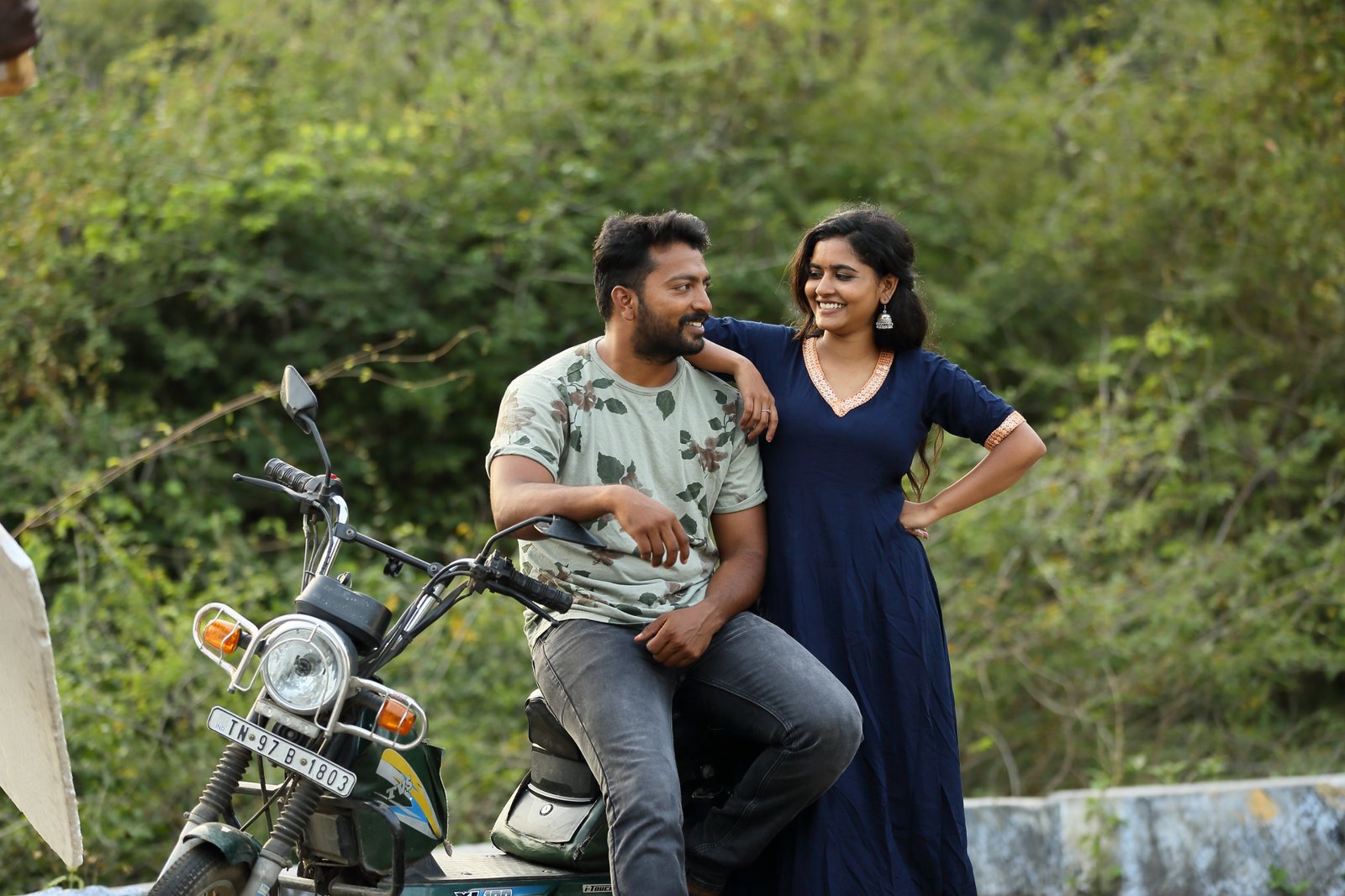
Defying her parents’ opposition, Deepa Balu marries Kalaiyarasan, the man she loves. After leading a peaceful life in a distant town, the couple returns to their native village. In accordance with local custom—which holds that offering *Pongal* and worshipping the deity of the pregnant woman, situated deep within the forest, ensures a safe delivery—Deepa Balu, now heavily pregnant, visits the temple accompanied by her husband and family.
Although she sets out to worship her family deity, Deepa Balu carries within her a sense of fear and anxiety; there, she encounters an unforeseen crisis. What is this crisis? *Kolaiseval* narrates this story, portraying the pain and anguish of a horrific atrocity that has plagued—and continues to plague—society throughout the ages.
Watch The Video -:
Movie Review -:
Although Kalaiyarasan, who plays the protagonist, has previously portrayed similar characters, in this film, he lends immense strength to a simple storyline through his realistic performance and sheer hard work.
Debutante actress Deepa Balu, playing the female lead, captivates the audience instantly with her charming, traditional, and relatable demeanor. Beyond being a perfect fit for the role, she delivers a performance that is both realistic and deeply poignant, moving the audience to tears. She deserves special commendation—particularly in the intense sequences—for immersing herself completely in the character rather than merely acting; she endured physical blows and exerted tremendous effort to bring those demanding scenes to life.


Bala Saravanan, cast as the protagonist’s friend, leaves a distinct mark on the film not merely as a comedian, but as a character actor. However, his appearance in the final scene—where he does nothing more than roll around and weep—proves to be a disappointment.
Despite playing a non-speaking role, Gajaraj effectively conveys the ferocity and madness inherent in his character through his facial expressions and performance.
Vijay Sathya, Aadhav Chandran, Akaran Venkat, Vijalakshmi, Jayalakshmi, Rajamani, Dhanalakshmi, Manjula, Kayal, and Manimegalai all deliver authentic performances as characters rooted in the local soil.


P.G. Muthiah’s cinematography realistically captures both the rustic beauty of the village and the cruel nature of its inhabitants. Although the depiction of the murder sequence is intensely violent, he has filmed it in a manner that effectively conveys the underlying pain and anguish to the minds of the viewers.
Under Santhan’s musical direction, both the songs and the background score serve to breathe life into the human emotions portrayed in the film. Whether it is an old melody playing in the background—subtly foreshadowing impending danger amidst a seemingly peaceful setting—or the background score heightening the tension of a precarious situation, the music successfully commands the audience’s undivided attention. Editor Ajay Manoj has worked skillfully to ensure that the screenplay—which prioritizes only romance, an unexpected shocking incident, and naturalistic acting—unfolds as a highly engaging film, despite its concise narrative.
Director V.R. Thuthivanan, having chosen a horrific act that has occurred and continues to occur in society as his central theme, has crafted a realistic cinematic portrayal of it. Although he depicts the suffering and anguish inherent in the subject matter with raw intensity, he simultaneously portrays the romantic relationship embedded within it with such aesthetic beauty and emotional depth that it becomes a truly enjoyable element of the film.


While the film’s pivotal scenes are filmed with a stark realism that leaves viewers shocked—prompting them to exclaim, “Could such a fate truly befall such a deeply emotional couple?”—the extreme violence depicted in these sequences is occasionally visceral enough to make one wince.
Viewed as a cinematic work, the audience can easily surmise from the very beginning that the story intends to address this specific social issue. To facilitate this anticipation, Director V.R. Thuthivanan has designed various scenes incorporating numerous symbolic elements; chief among these is the motif of the pregnant deity.
Rather than posing questions—such as “Why do such incidents occur?”, “What constitutes appropriate punishment for those who commit these crimes?”, or “What measures must be taken to eradicate these social ills at their very root?”—and without offering any specific solutions, Director V.R. Thuthivanan has focused solely on etching the pain of the victims of such horrific acts into the minds of the audience; through his excellent filmmaking technique, he has accomplished this objective with remarkable effectiveness.
In summation, *Kolaiseval* is a film about pain.
This Is My Personal Review So Please Go and Watch The Movie In Theaters Only.
Written B4U Media Admin Ratting B4U Media 2 / 5