AMARAM Tamil Movie Review
Cast-:
Rajan Tejeshwar , Ira Agarwal,Sai Deena, George Maryan , Kalki Rajan Hareesh Peradi , Nagineedu Suresh Menon ,Vasudevan Murali and Others.
Crew-:
Story, Screenplay, Dialogues, and Direction: Thiruarul Krishna | Music: Mickey J. Meyer | Lyrics: Soundararajan K | Cinematography: Bharath Kumar | Editing: R. Sriram | Art Direction: Janarthanan | Stunts: Miracle Michael | Choreography: Boopathy | Production Supervision: A.P. Ravi | PRO: Sathish Kumar, Bhuvan Selvaraj | Production: C.R. Rajan | Trident Arts Ravindran is releasing the film across Tamil Nadu.
Story-:
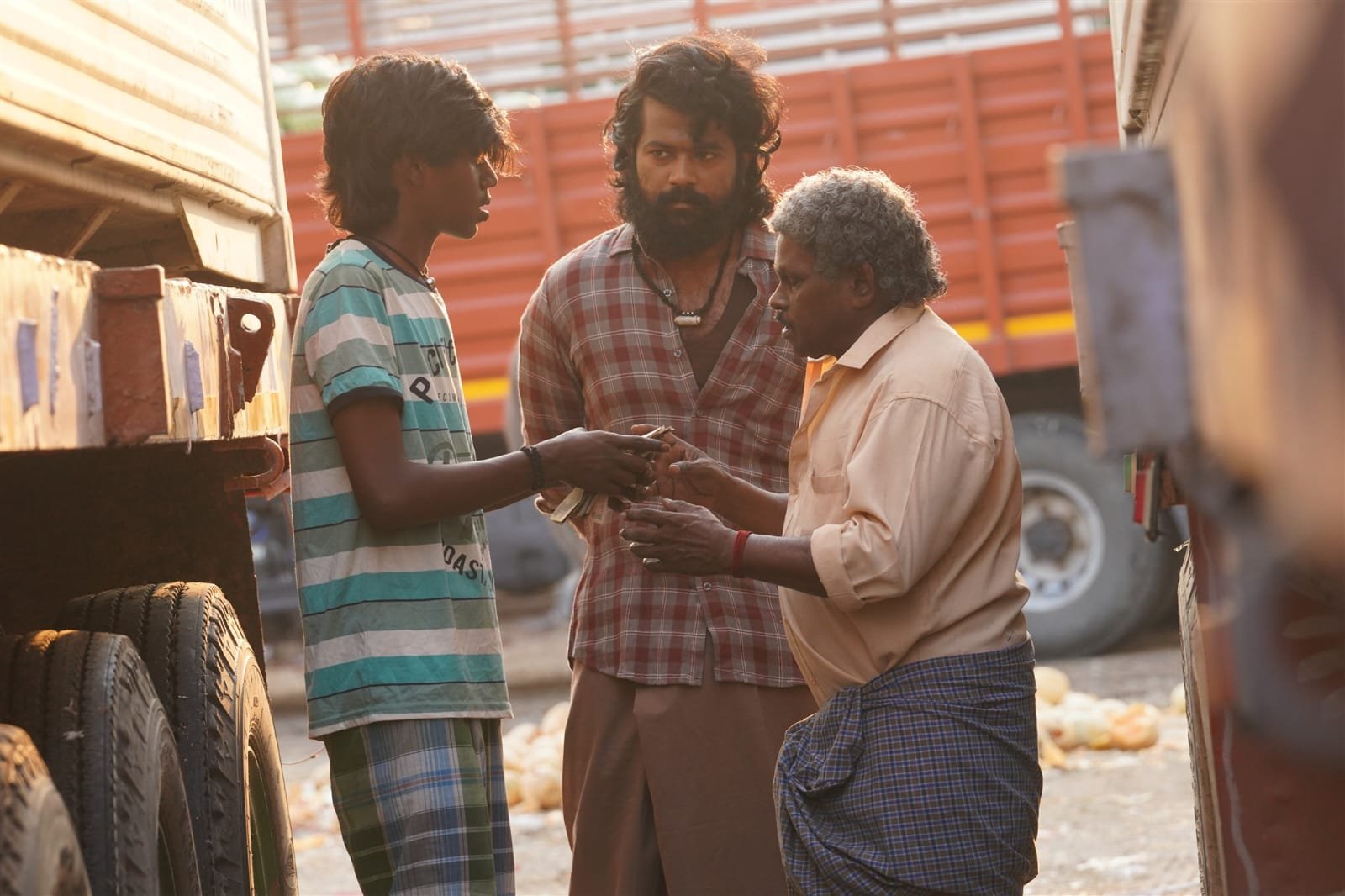
‘Amaram,’ starring Rajan Tejaswar, is a film featuring a gripping action-thriller storyline. Plot: The story revolves around Arugan, a man whose profession is contract killing. Revenge Twist: When Arugan kills a writer, the writer’s daughter seeks revenge, aided by a political figure. Twists: The sequences where she tracks down Arugan in his village and faces various challenges deliver unexpected turns. Acting and Highlights: Rajan Tejaswar brings gravitas and intensity to his role through his rugged appearance—complete with a long beard—and composed body language. Direction: The screenplay and visuals are crafted to keep the audience on the edge of their seats with surprising elements.
Final Verdict: ‘Amaram’ offers a rewarding theatrical experience for those who prefer a storyline that breaks away from conventional action movie tropes. To learn more about the film’s highlights and expectations: Amaram – Review.
Watch The Video-:
Movie Review-:
Village-based stories are nothing new in Tamil cinema. However, when a narrative centers on the power dynamics, poverty, violence, and vengeance inherent to such a setting, it becomes a unique experience. In this vein, the film *Amaram*, directed by Thiruarul Krishna, attempts to powerfully portray the lives of people in a hill village and the violence that surrounds them.
The story is set in a village nestled at the foothills of a mountain. Arugan (Rajan Tejaswar), a resident of the village, lives life as it comes, without any specific ambitions for the future. However, to earn a livelihood, he transforms into a hitman who carries out the orders of the local power brokers.
After committing several murders, Arugan is tasked with killing Sharmila Bharathi’s father—a job he successfully executes.
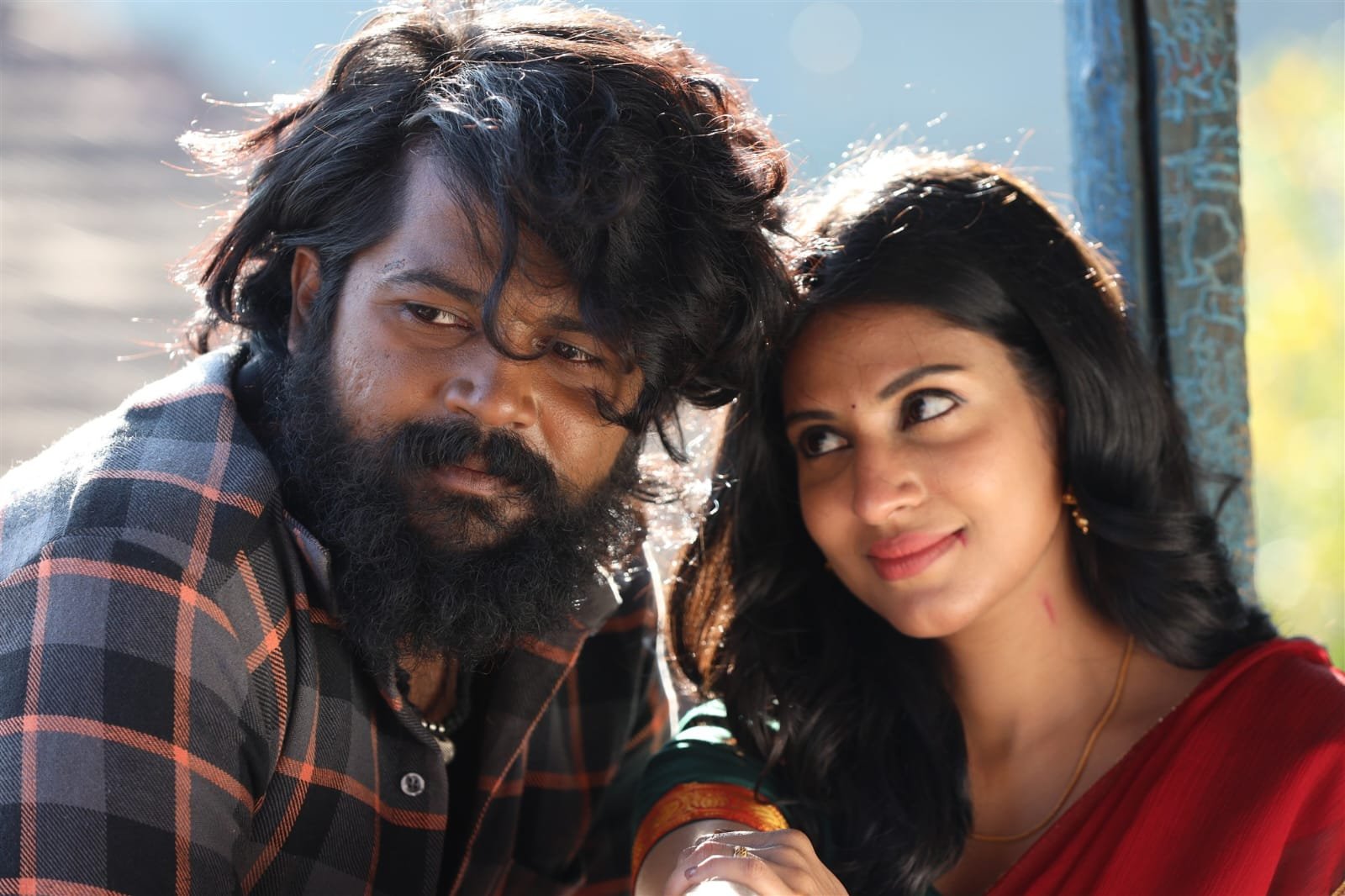
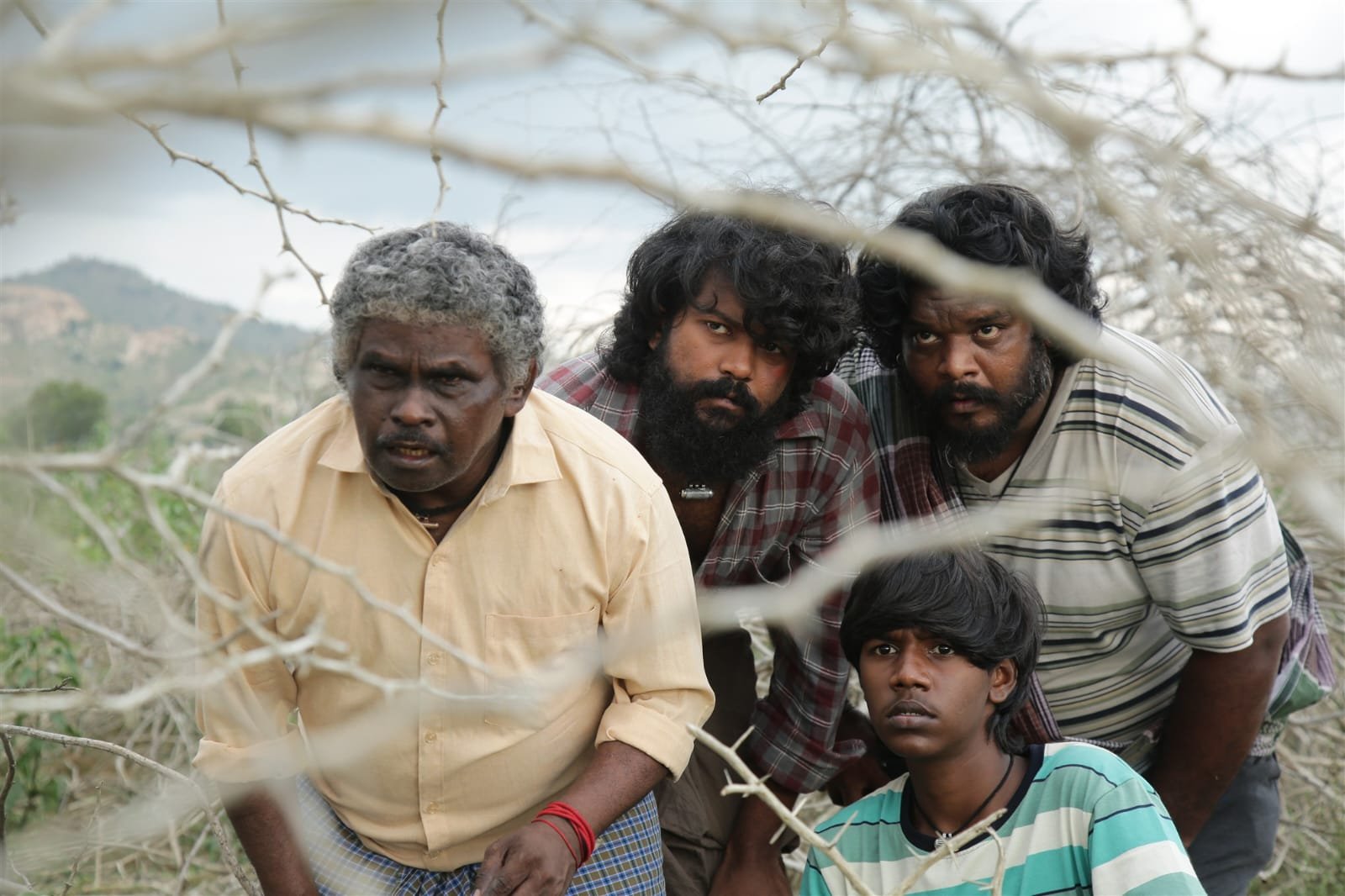
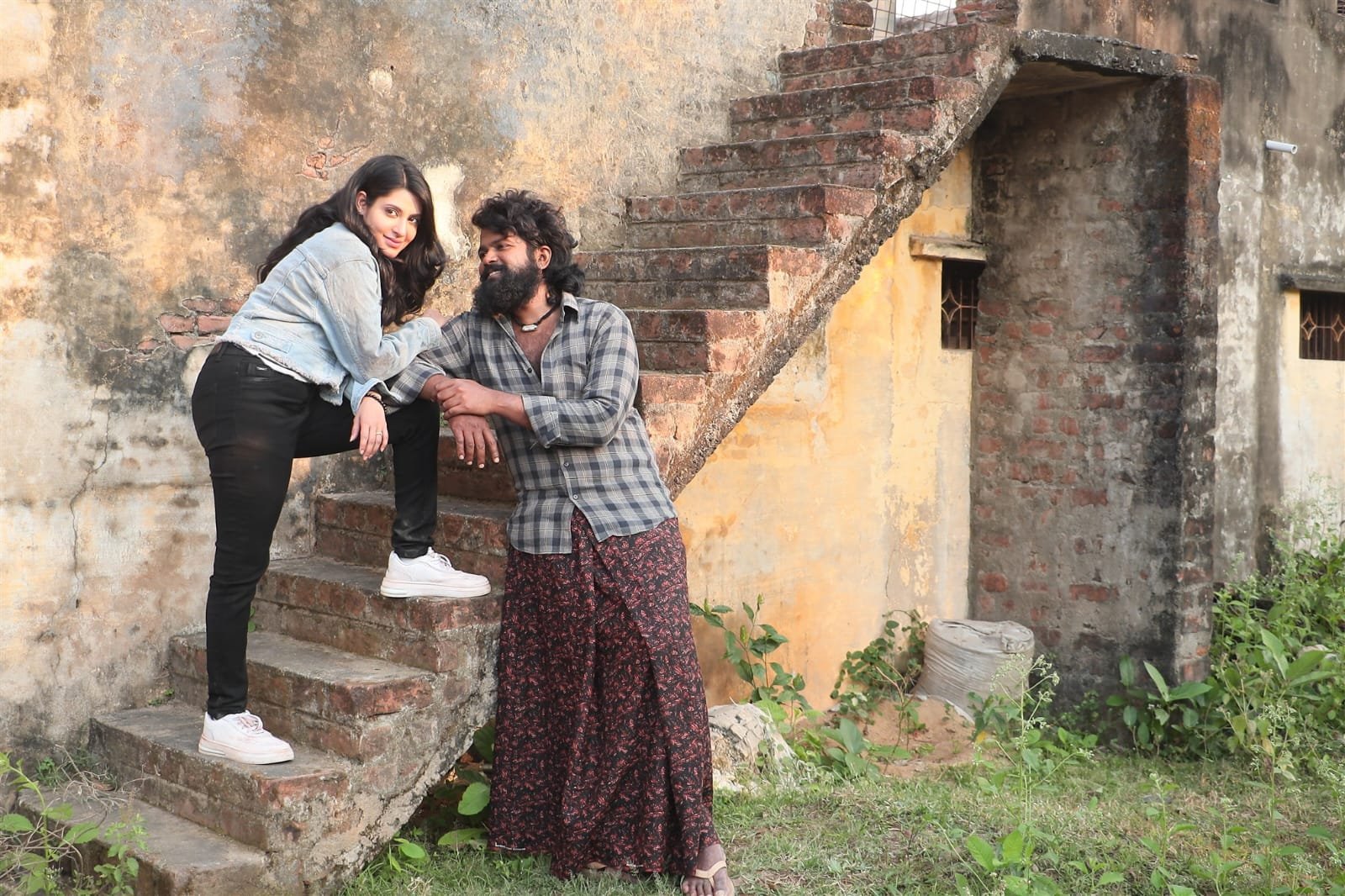
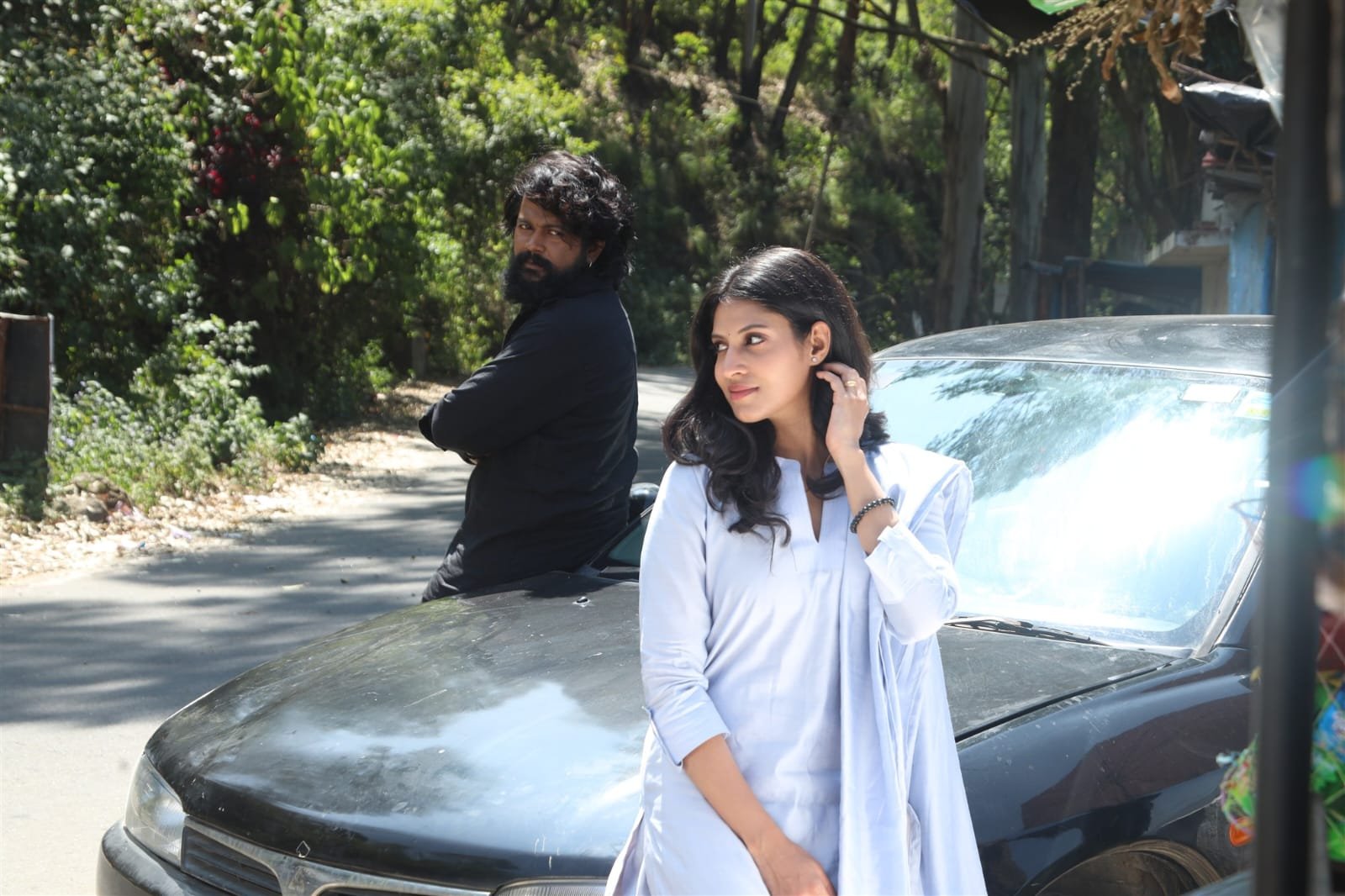
Bereft of her father, Sharmila arrives in Arugan’s village seeking revenge against the man responsible for her father’s death. As political elements become intertwined with her quest, a series of unexpected events unfolds in the village.
The rest of the film traces the paths that Arugan’s and Sharmila’s lives take thereafter.
Rajan Tejaswar, playing the protagonist, handles the character of Arugan in a distinctive manner.
He conveys the essence of the character not through dialogue, but through his gaze, body language, and action sequences. His performance effectively communicates the emptiness and rage lurking within a seemingly rough and rugged man.
His contribution to the action sequences adds significant strength to the film; the climax fight scene, in particular, is compelling and captures the audience’s attention.
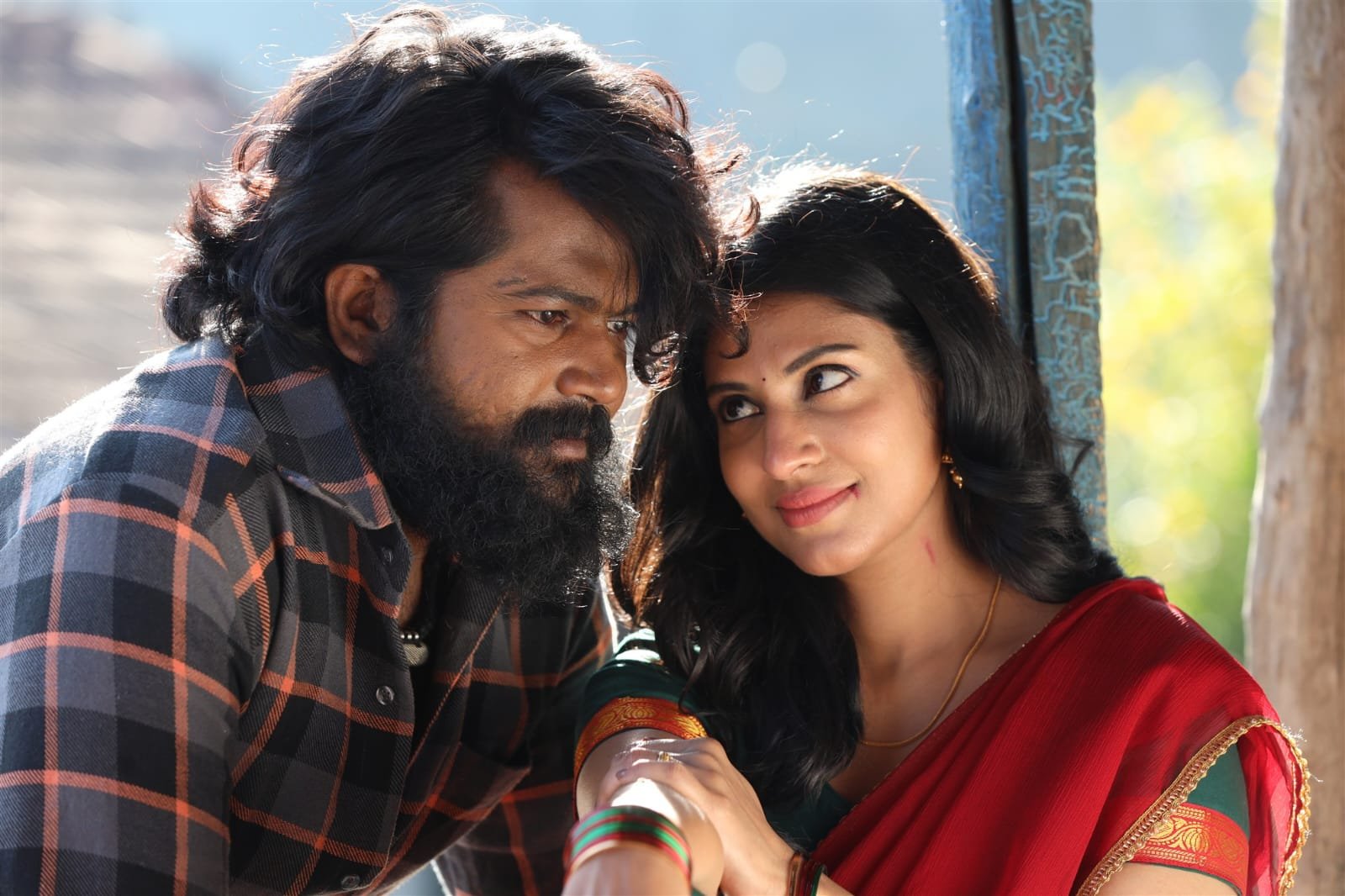
Aira Agarwal is not cast in the typical mold of a heroine; instead, her character, Sharmila Bharathi, is pivotal to the story’s major turning points. Aira Agarwal delivers an excellent performance, effectively conveying a complex range of emotions—including the grief of losing her father, anger, and a desire for revenge.
In particular, the way the female lead’s character is integrated into the narrative serves as a major strength of the film.
Actors such as George, Sai Dheena, Nagineedu, Kalki Rajan, Harish Peradi, and Vasudevan Murali bring their experience to their respective roles.
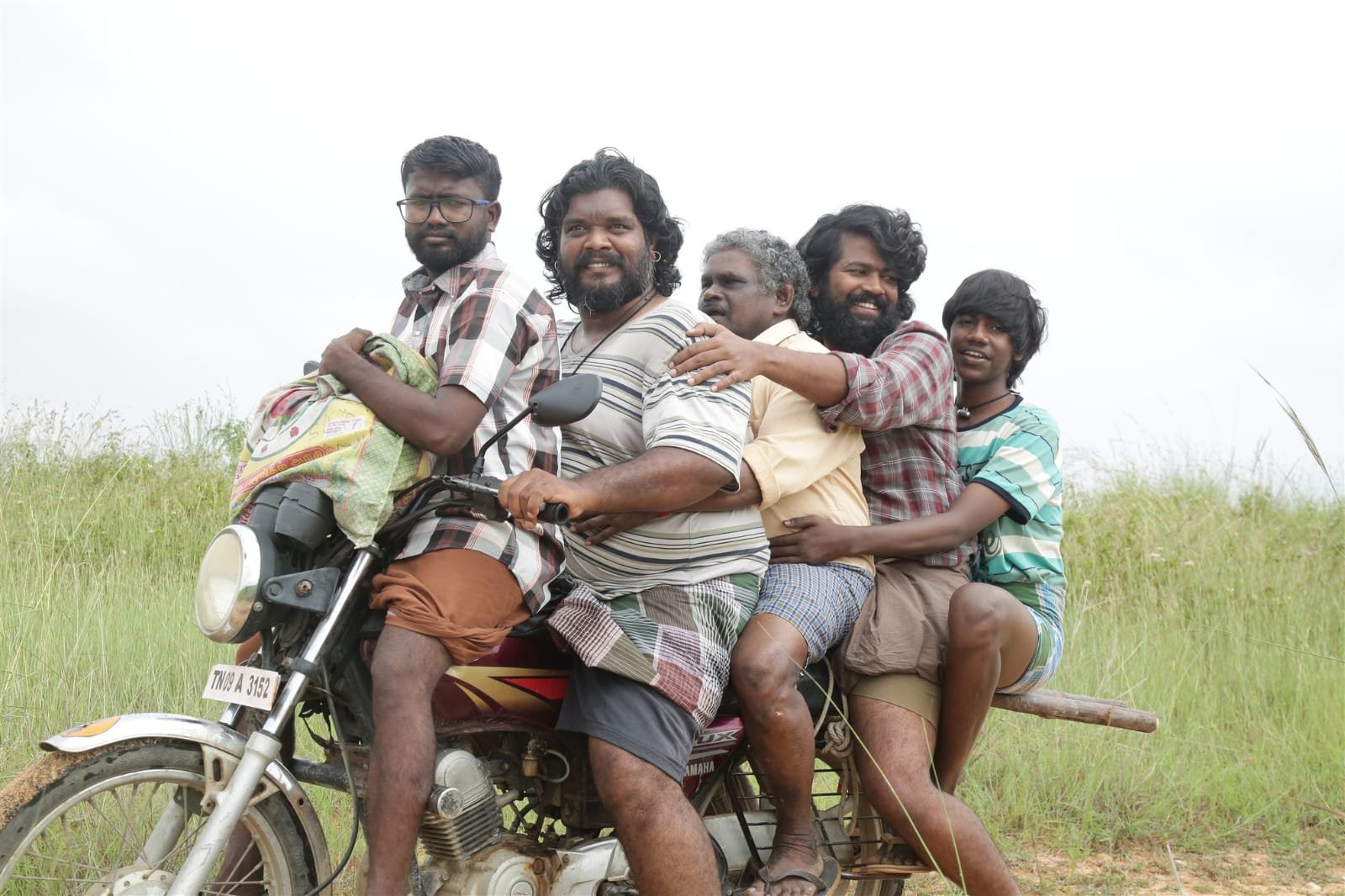
Their performances help create a convincing portrayal of the power dynamics in the hill village, the everyday lives of its inhabitants, and the backdrop of violence.
Director Thiruarul Krishna moves beyond the conventions of a typical rural action movie, placing the pain of the hill-dwelling community and the oppressive power structures surrounding them at the heart of the story.

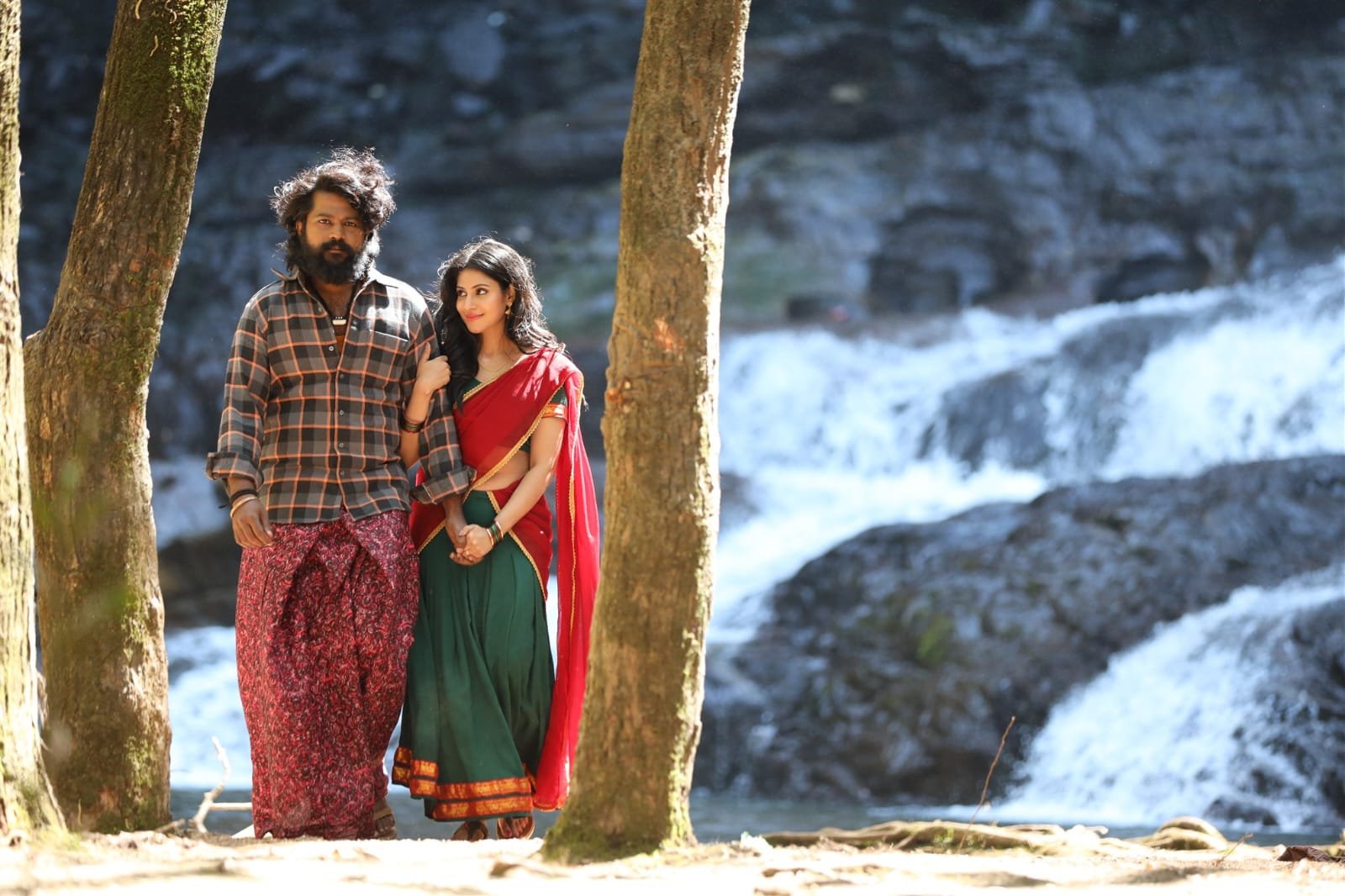
The film powerfully depicts how ordinary people are dragged into violence to serve the selfish interests of the powerful, as well as the plight of those trapped in such a life with no way out.
This lends a dark, gritty tone to the film *Amaram*.
The first half moves at a brisk pace. Arugan’s world, his lifestyle, and the conflict that arises with the female lead build anticipation for what is to come.
However, the momentum dips slightly in the second half.
Specifically, two songs feel somewhat disconnected from the narrative flow. Had the intensity established in the first half been sustained through the second, the film’s impact would have been even greater.
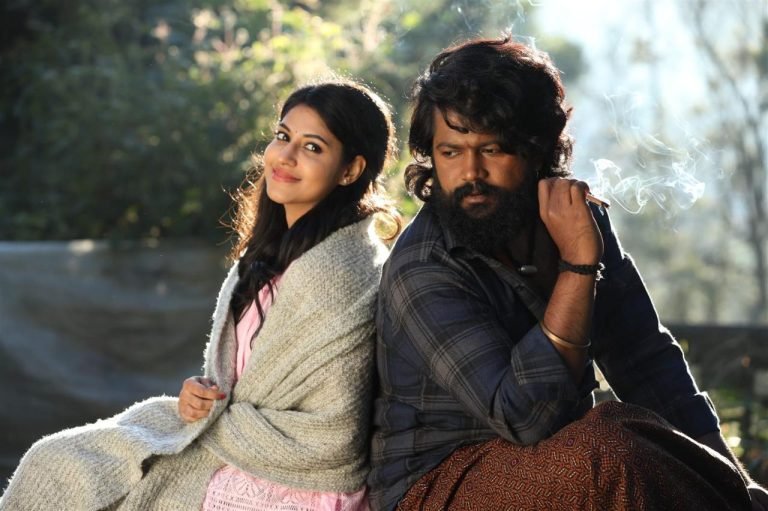
While the climax shows promise, a stronger approach to the screenplay could have made the ending resonate more deeply with the audience.
Mickey J. Meyer’s music complements the film’s emotional tone. Although the songs occasionally disrupt the screenplay’s pacing, they are enjoyable in their own right.
Bharath Kumar’s cinematography is a key strength of the film. The camera beautifully captures not only the natural beauty of the hilly region but also the grim atmosphere that pervades the landscape.
The cinematography stands out, particularly during the action sequences.
A faster editing pace could have helped mitigate the sluggishness felt in the second half.

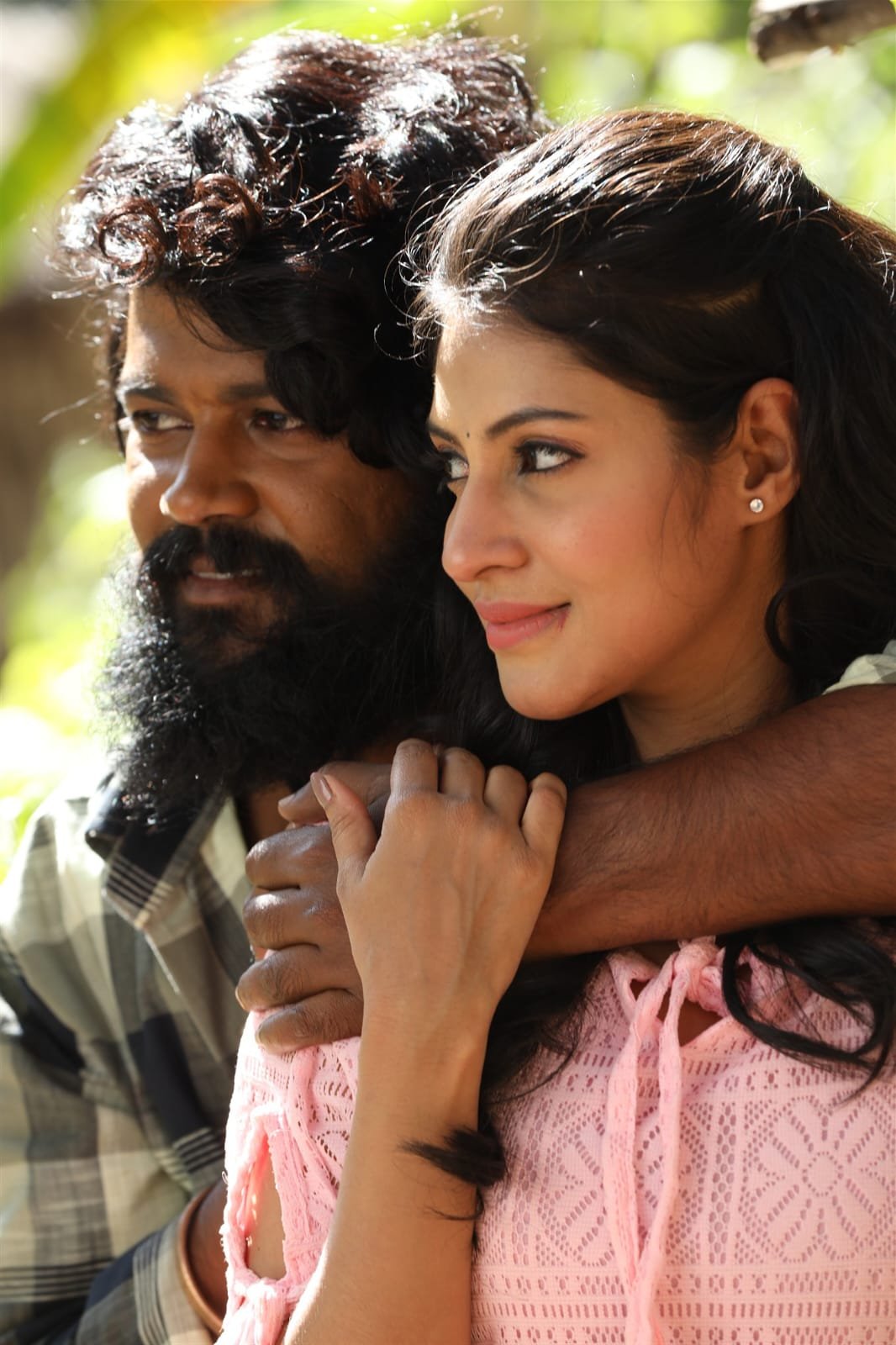

‘Amaram’ is not a typical village tale; it is an attempt to portray the life of a man caught in a cycle of violence and the suffering of hill-village residents exploited by those in power.
Had the impact created by the first half been sustained through the second, ‘Amaram’ would have emerged as an even stronger film. Nevertheless, its storyline, dark tone, performances, and cinematography make it a film worth noticing.
Weaving together elements like romance, revenge, violence, and power politics against the backdrop of hill-village life, ‘Amaram’—while perhaps not a flawless film—commands attention for its unique attempt.
This Is My Personal Review So Please Go and Watch The Movie In Theaters Only.
Written By B4U Media Admin Rating B4U Media Admin 4.5 / 5