MAGUDAM Tamil Movie Review
Cast-:
Vishal, Anjali, Dushara Vijayan, John Vijay, Jeya prakash, Ajay, Vamsi Krishna, Abu Salim, Arjai, Vj Jhansi, Padam Kumar, Sabhumon,Thambi Ramaia h,Chi ptra Laxman,Yogi Babu and Others.
Crew-:
Screenplay & Direction: Vishal, Present : R.B Choudary, Production: Super good films, Producers : B.Suresh, R.B.Jeevan Choudary, Jithan Ramesh, Jiiva, Director of Photography: Richard.M. Nathan & Abinandhan Ramanujam, Music: G.V Prakash Kumar, Art Director : G. Durairaj, Action Director: Dhilip Subbarayan, Editor: N.B Srikanth, Dialogues: Pon Parthiban , Vishal , Anadh Kumaresan (Tamil) , Story: Ravi Arasu, Lyrics: Ekadesi, Vivek, Uma devi, Karunakaran, V7H , Costume Designer: Vasuki Bhaskar, Choreography: Brinda, Dinesh, Azar, Apsar, Production Executive: M.V Ramesh, Visual Effects Studio: Lorven studio, Sound Effects & Mix: T. Uday kumar (sound vibe studio), DI: B2H studios , Title Designer: Tuney Johan , Publicity Designer: kannadasan DKD, Promo stills : Sudarshan , Stills: Sai Santosh Pro: Riaz k Ahmed – Paras Riyaz and Others.

Story-:
Super Good Films has produced the movie that marks actor Vishal’s debut as a director. G.V. Prakash Kumar has composed the music, and Richard Nathan has handled the cinematography.
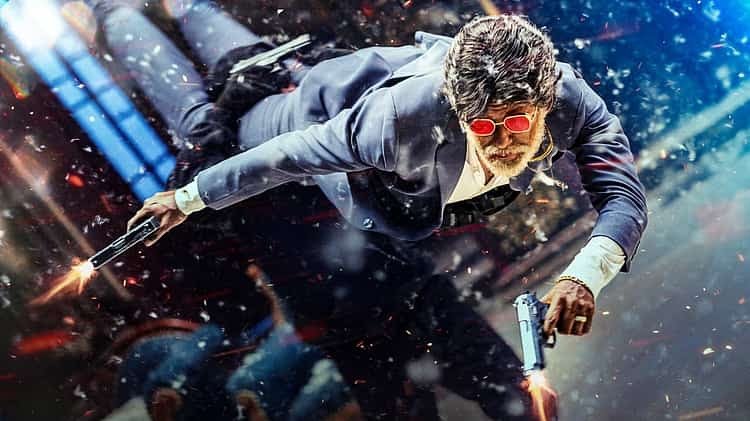
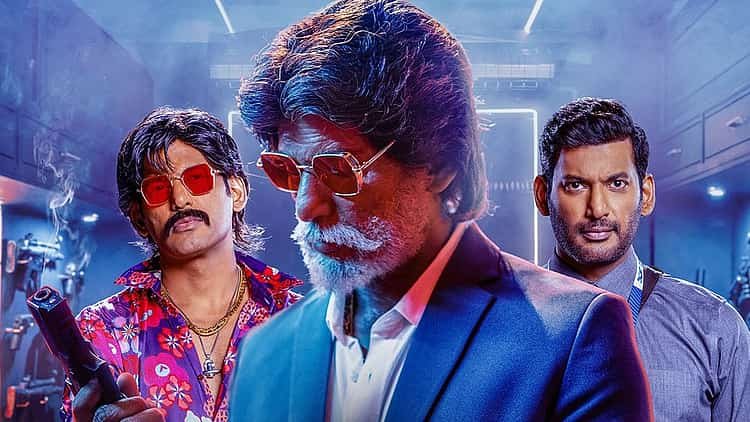
The story begins in 1965. Vishal, a child kidnapped in Chennai, is forced to beg by a gang of thugs. He escapes and makes his way to the Visakhapatnam port, harboring a dream of growing wealthy enough to buy a ship. Meanwhile, in a parallel storyline, Vishal works as a pharmaceutical sales representative; he desperately tries to buy a car to back up a lie he told his father-in-law (played by Thambi Ramaiah)—claiming he owned a car—in order to marry Dushara Vijayan. Eventually, Vishal, who earns a monthly salary of ₹17,500, manages to buy a car and travels to Coonoor with his family.
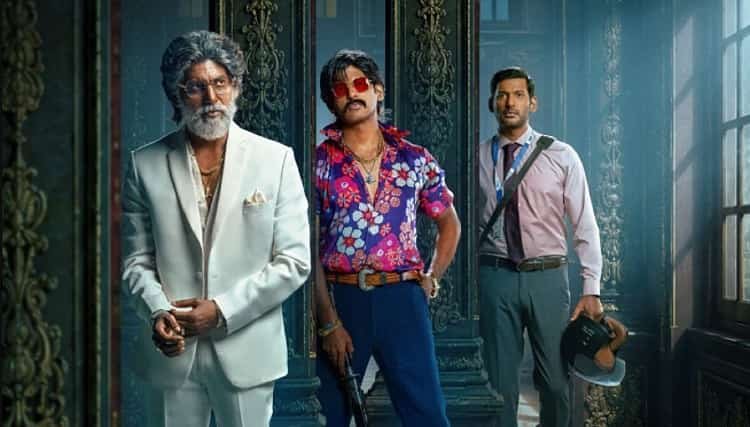

There, a gang suddenly surrounds their car and opens fire, killing Dushara Vijayan and their daughter. Who is this gang? Why did they kill Vishal’s family? What is the connection between this Vishal and the Vishal from Visakhapatnam? What happens to the Chennai-based Vishal after these murders? This forms the plot of the movie *Magudam*.
Watch The Video-:
Movie Review -:
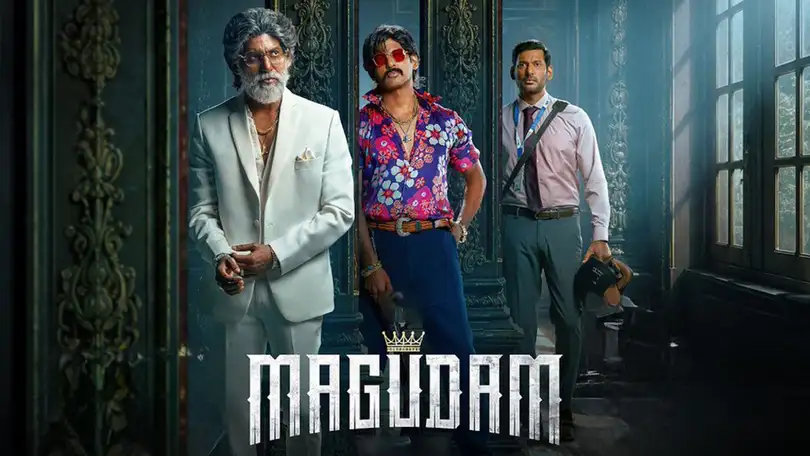
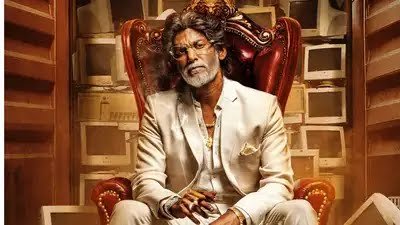
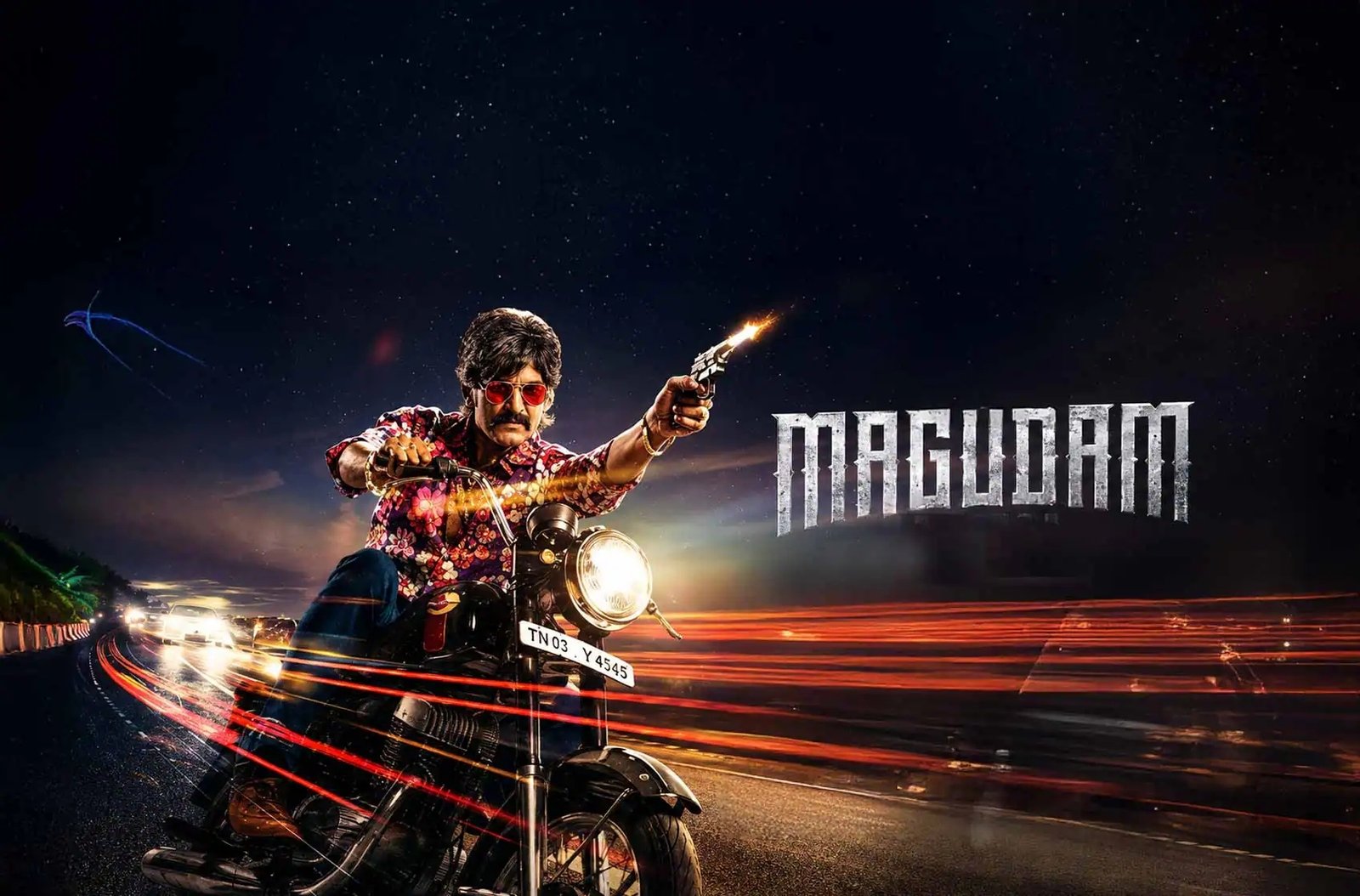
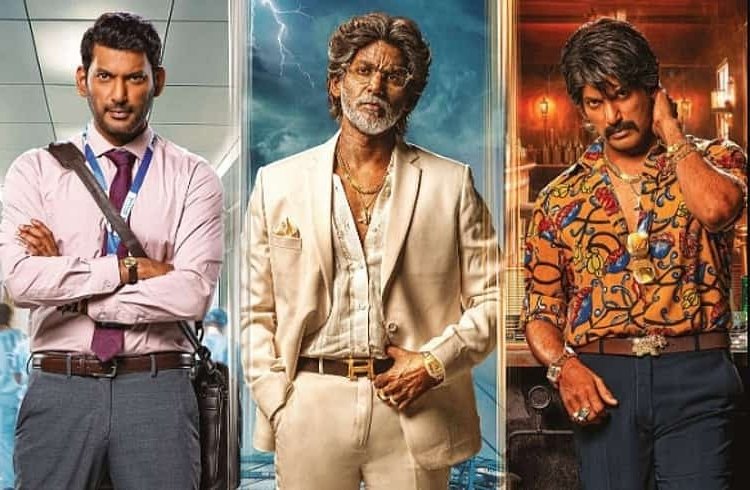
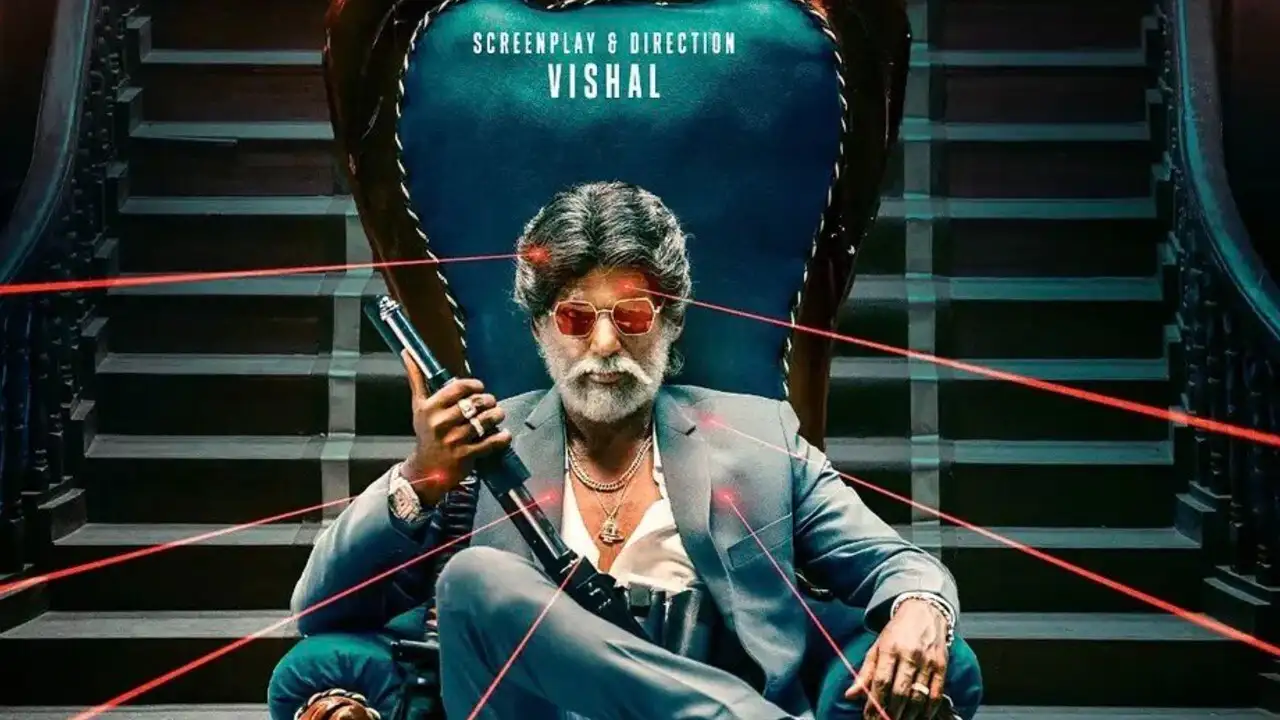
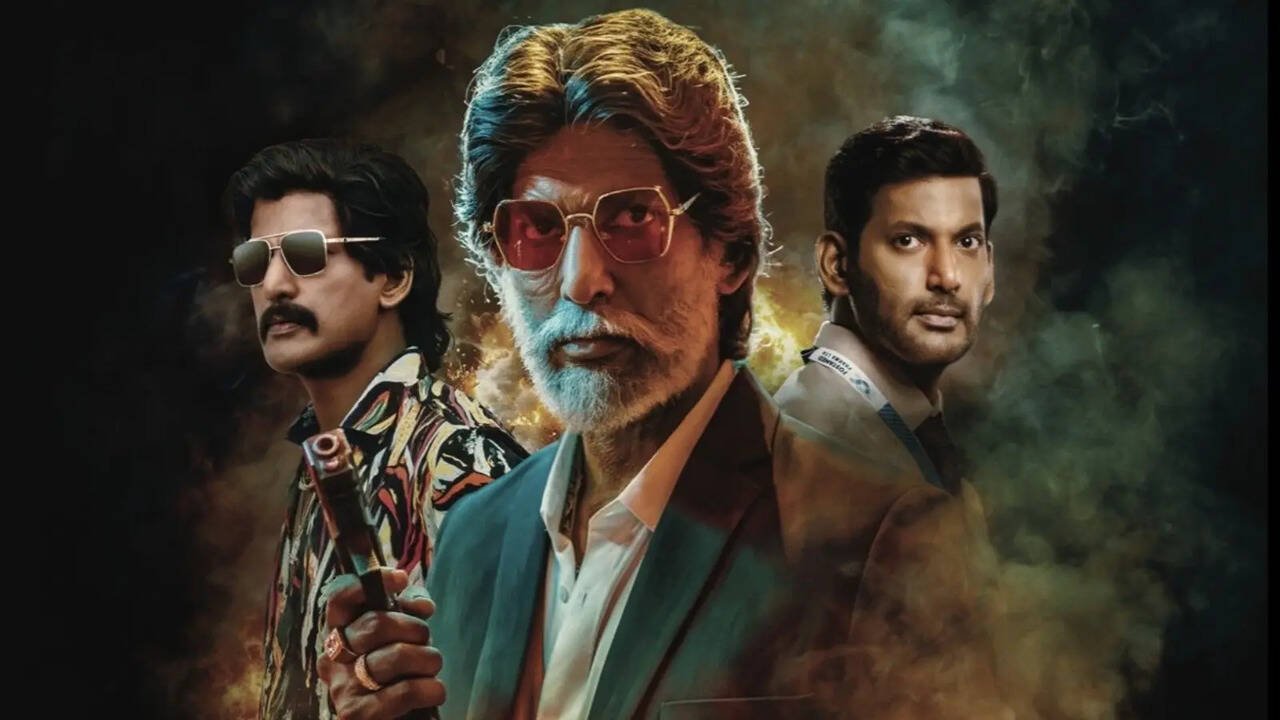
The film *Magudam* features two characters played by Vishal. The father, Linga, is a kind-hearted yet dangerous don who leads a lavish lifestyle. His estranged son, Kirupakaran, wants nothing to do with him and lives a simple life with his wife, Jamuna (Dushara Vijayan), and their two children.
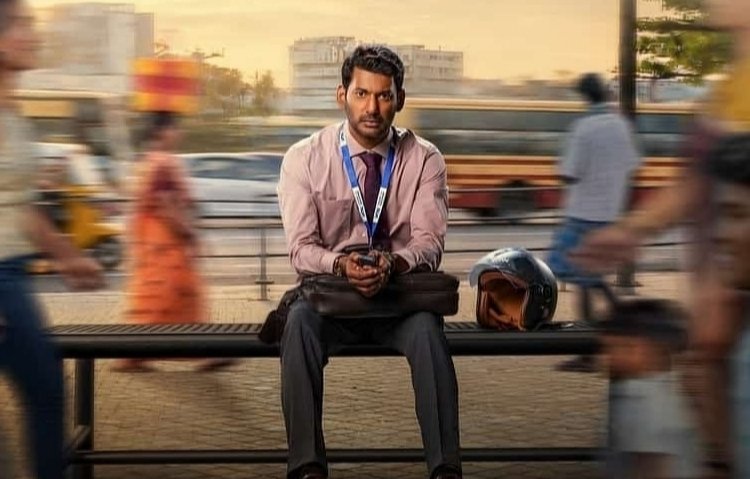
Kirupakaran works as a medical representative and struggles to meet daily needs; his financial situation is so dire that no one is even willing to lend him money. In one scene, Kirupakaran and his family visit various car showrooms hoping to buy a vehicle, only to return disappointed each time. Had the writing maintained this level of nuance throughout, the film could have been a massive success.
It is also worth noting that the script avoids reducing the wife and children to mere props for emotional manipulation. In most films, the wife either constantly nags her husband about their financial woes or is portrayed as overly dramatic about the situation. Here, however, Jamuna accepts her family’s financial struggles with remarkable composure. The film also deserves praise for not abandoning characters halfway through the story.
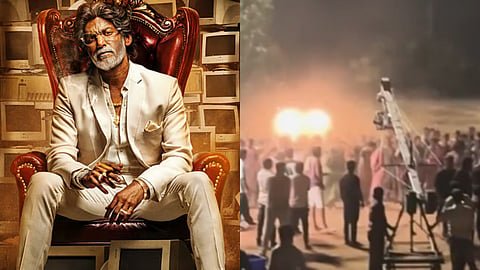
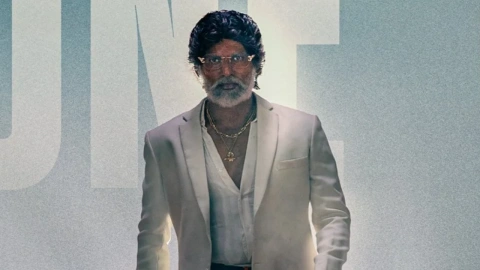
In many mainstream commercial films, characters introduced in the first half are abruptly sidelined once their role in the protagonist’s development is over. While it would have been easy to drop Kirupakaran’s friend and father-in-law from the narrative after the interval, the director ensures they remain part of the journey until the very end. Vishal imbues almost every supporting character with at least one distinctive trait—be it loyalty, a military background, or a love for food.
However, these small nuances make the characters feel like real human beings rather than caricatures. The seemingly endless ‘comedy scene’ between Vishal and Chithra Lakshmanan—accompanied by music that tries too hard to convince us it is funny—falls flat. The film’s attempt at humor is a complete failure. Many sequences—including one where fisherwomen join the protagonist in a fight scene—were clearly conceived and executed with the aim of eliciting cheers and applause. Yet, due to a half-baked screenplay, these moments fail to make any real impact. Even the scenes between Dushara and Vishal inside the house during the early parts of the film feel unnatural and amateurish.
Furthermore, the film is interspersed with random observations about society; the scenes lack impact, and these attempts at social commentary fail to add any depth to the proceedings. G.V. Prakash Kumar’s music is, to put it mildly, lazy. The score is so formulaic that it feels as though the most basic, generic sounds were assigned to match the mood of every ‘mass’ or comedic scene. Initially, the stories of Kirupakaran and Linga are shown in parallel, but once they converge, the narrative becomes significantly more interesting. Vishal delivers a more effective performance as Linga than as Kirupakaran. Anjali appears in flashback sequences as both Linga’s wife and Kirupakaran’s mother. Both Dushara and Anjali come across as wasted talent. It is largely Anjali’s vibrant presence that makes the love story between Vishal and Anjali work. Even the decision to divide the film into chapters feels more like a stylistic gimmick than a narrative necessity. The film adheres strictly to the standard commercial movie formula—featuring a reused old Tamil song, two female leads, emotional family moments, and a dual role for the protagonist. Just when you think the crew might have forgotten to include a bomb blast sequence, that too makes an appearance. Ultimately, the film fails to become the epic it aspired to be; it serves as a reminder that not every actor needs to become a director, and conversely, not every director needs to become an actor.


The film *Magudam* features two characters played by Vishal. The father, Linga, is a kind-hearted yet dangerous don who leads a lavish lifestyle. His estranged son, Kirupakaran, wants nothing to do with him and lives a simple life with his wife, Jamuna (Dushara Vijayan), and their two children. Kirupakaran works as a medical representative and struggles to meet daily needs; his financial situation is so dire that no one is even willing to lend him money. In one scene, Kirupakaran and his family visit various car showrooms hoping to buy a vehicle, only to return disappointed each time. Had the writing maintained this level of nuance throughout, the film could have been a massive success. It is also worth noting that the script avoids reducing the wife and children to mere props for emotional manipulation. In most films, the wife either constantly nags her husband about their financial woes or is portrayed as overly dramatic about the situation. Here, however, Jamuna accepts her family’s financial struggles with remarkable composure. The film also deserves praise for not abandoning characters halfway through the story. In many mainstream commercial films, characters introduced in the first half are abruptly sidelined once their role in the protagonist’s development is over. While it would have been easy to drop Kirupakaran’s friend and father-in-law from the narrative after the interval, the director ensures they remain part of the journey until the very end.
Vishal imbues almost every supporting character with at least one distinctive trait—be it loyalty, a military background, or a love for food. However, these small nuances make the characters feel like real human beings rather than caricatures. The seemingly endless ‘comedy scene’ between Vishal and Chithra Lakshmanan—accompanied by music that tries too hard to convince us it is funny—falls flat. The film’s attempt at humor is a complete failure. Many sequences—including one where fisherwomen join the protagonist in a fight scene—were clearly conceived and executed with the aim of eliciting cheers and applause. Yet, due to a half-baked screenplay, these moments fail to make any real impact. Even the scenes between Dushara and Vishal inside the house during the early parts of the film feel unnatural and amateurish. Furthermore, the film is interspersed with random observations about society; the scenes lack impact, and these attempts at social commentary fail to add any depth to the proceedings. G.V. Prakash Kumar’s music is, to put it mildly, lazy. The score is so formulaic that it feels as though the most basic, generic sounds were assigned to match the mood of every ‘mass’ or comedic scene. Initially, the stories of Kirupakaran and Linga are shown in parallel, but once they converge, the narrative becomes significantly more interesting.
Vishal delivers a more effective performance as Linga than as Kirupakaran. Anjali appears in flashback sequences as both Linga’s wife and Kirupakaran’s mother. Both Dushara and Anjali come across as wasted talent. It is largely Anjali’s vibrant presence that makes the love story between Vishal and Anjali work. Even the decision to divide the film into chapters feels more like a stylistic gimmick than a narrative necessity. The film adheres strictly to the standard commercial movie formula—featuring a reused old Tamil song, two female leads, emotional family moments, and a dual role for the protagonist. Just when you think the crew might have forgotten to include a bomb blast sequence, that too makes an appearance. Ultimately, the film fails to become the epic it aspired to be; it serves as a reminder that not every actor needs to become a director, and conversely, not every director needs to become an actor.
This Is My Personal Review So Please Go and Watch The Movie In Theatres Only.
Written By B4U Media Admin Ratting B4U Media Admin 4 / 5