
THAAI NILAM Tamil Movie Review
Cast–:
Dr.Amar Ramachandran ,Bala Singh ,Neha Amar, Nimisha Nambiar, Deepak, Padmaja Amar , Nihal, Gurudhakshina and Others.

Crew-:
Story , Screenplay & Direction – Abilash. G.Devan, Producer – Neni Entertainmen ts Pvt Ltd, D.O.P – Prasanth Pranavam, Music – Ouseppachan, Editor – Deejo P Varghese, Art Director – Kailas Thripun ithura, Lyrics – Palani Bharathi, Kavingar Thamarai, Costume – Anil Kottuly, Sound Design – Raja Krishnan, V F X – Praneesh Baby, Dubbing – Jyostar Studi o, Post Production – Cinema Salone, D I – Sreekumar Nair Production Managers, – Binoy Jose, Tojo Mathew, Production Controller – Nazeer Karanthur, Product ion Planing – Dr.Vimal, Ramachandran, Festival Marketing – Angel Maria Grace n Neeraja Arun, Pro – A.Jhon,Sathish AIM, Stills – Noushad Kannur, Pubilicity Design – Gibsonuga, Music Cordination – K.D.Vincent, Marketing Advicers – Ravis hankar Venkateshvaran Murali. C, Labe l:: Saregama India Ltd.and Others.

Story-:
War is not merely about explosions and the sound of gunfire; it shatters a family’s dreams, tears relationships apart, and steals the future from children. ‘Thayinilam’ (Motherland) articulates the anguish of those forced to flee their homeland to save their lives; it goes beyond the plight of Eelam Tamils to address the devastation of human lives caused by war in any corner of the globe.
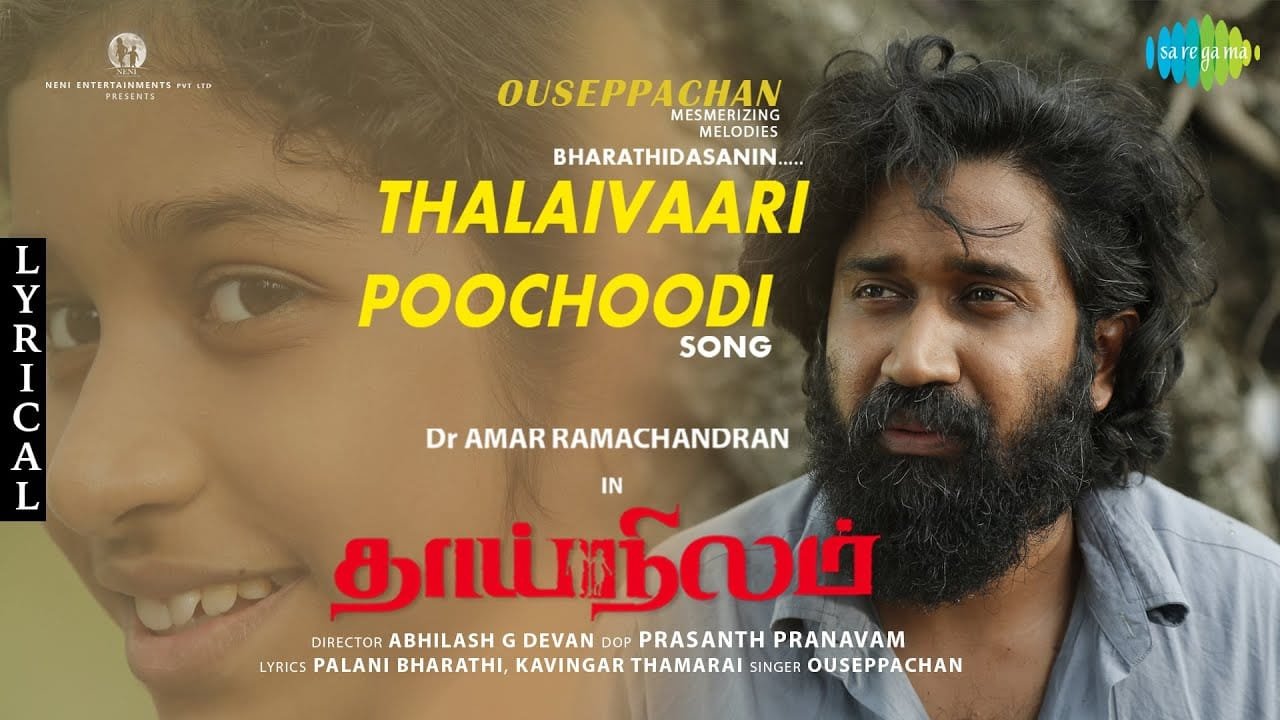
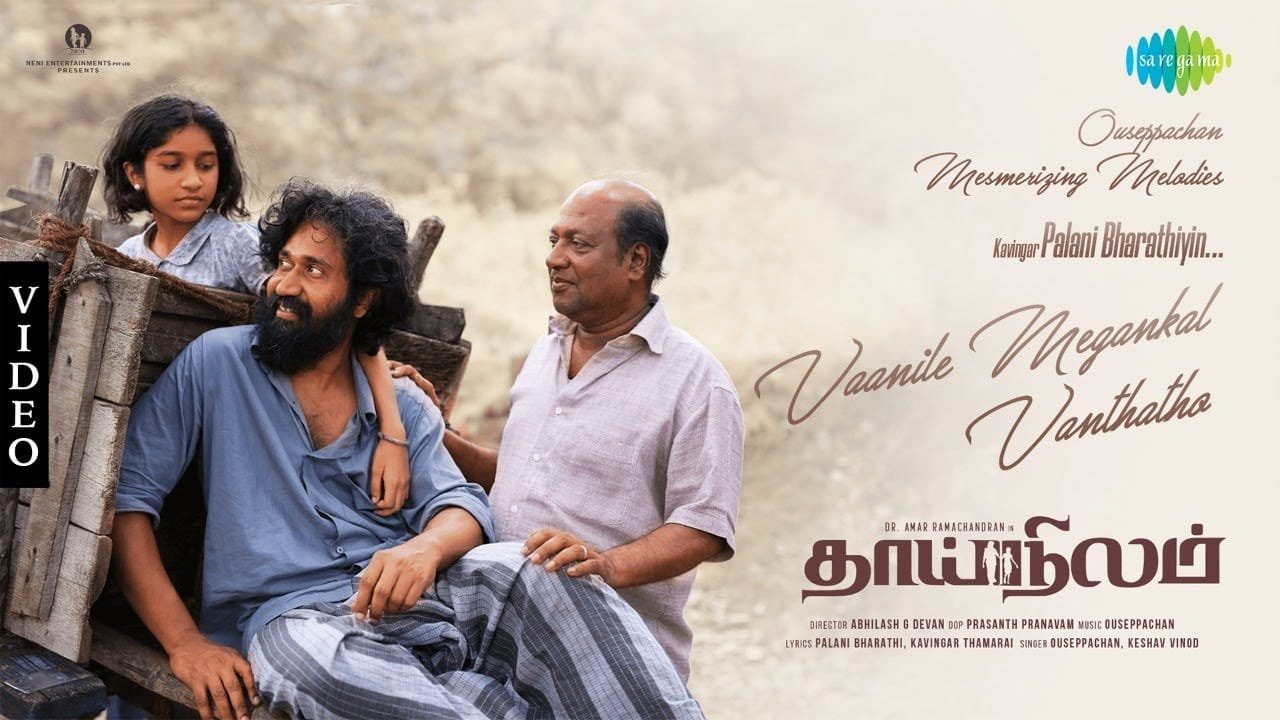
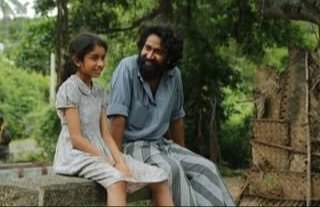
The film’s central narrative follows the journey of a father who, having lost his wife amidst the horrors of the war in Sri Lanka, leaves his homeland with his daughter. As mere survival becomes a monumental struggle, the events the father and daughter encounter take the audience on a journey filled with deep emotional pain.
Watch The Video-:
Movie Review -:
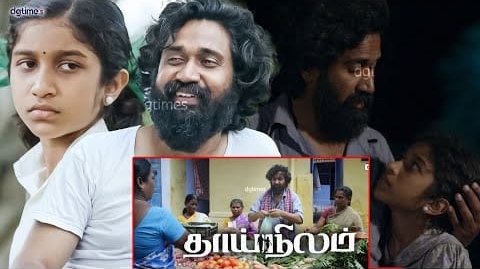
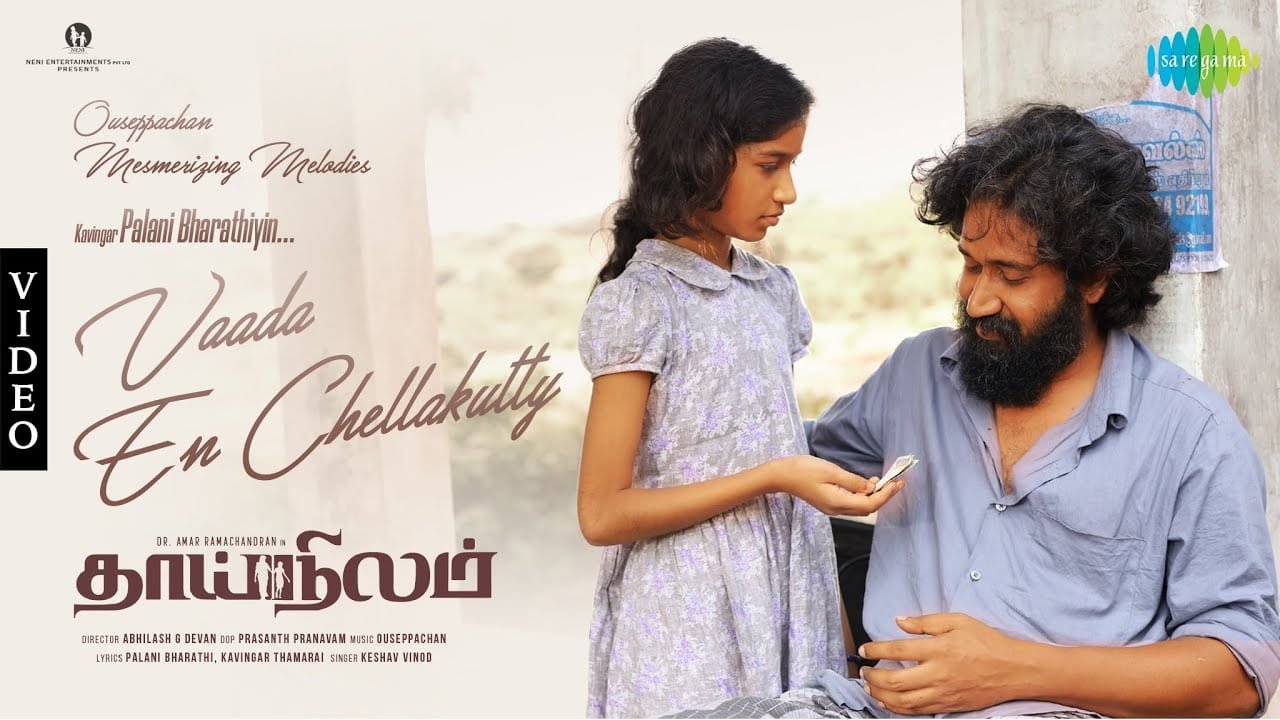
Amar Ramachandran brilliantly portrays a father’s anguish—driven by the need to secure a safe life for his daughter—while grappling with the trauma of having witnessed the horrors of war firsthand, the grief of losing his wife, and anxiety about his daughter’s future. At many points, his eyes and body language convey far more than dialogue ever could.
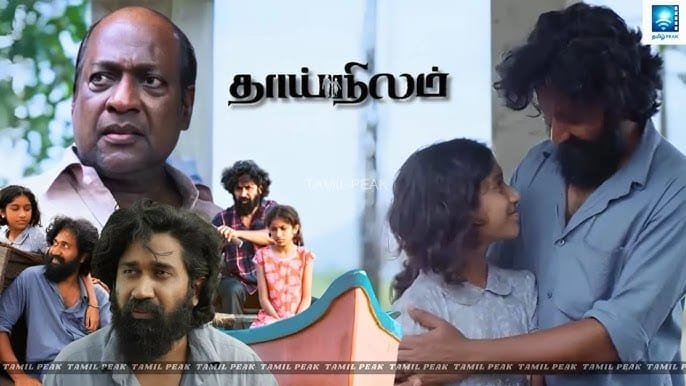
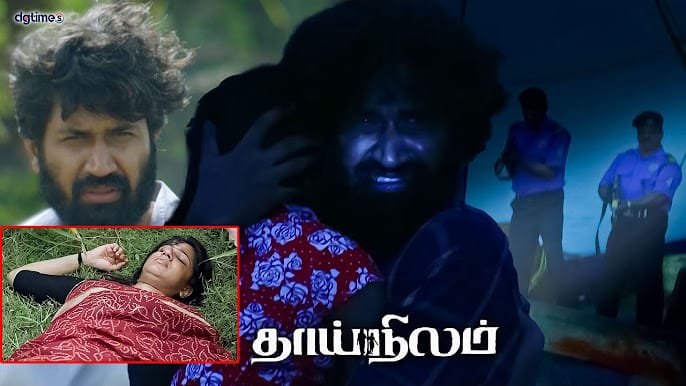
Meanwhile, Neha Amar—playing a young girl who retains a child’s innate joy despite having witnessed the terrors of war—handles her role with remarkable naturalness. Nimisha Nambiar, Deepak Prabhakaran, Gurudhanshika, and Nihal also deliver excellent performances in their respective roles. The late Bala Singh leaves a lasting impression in the role of a man who extends a helping hand to the destitute.
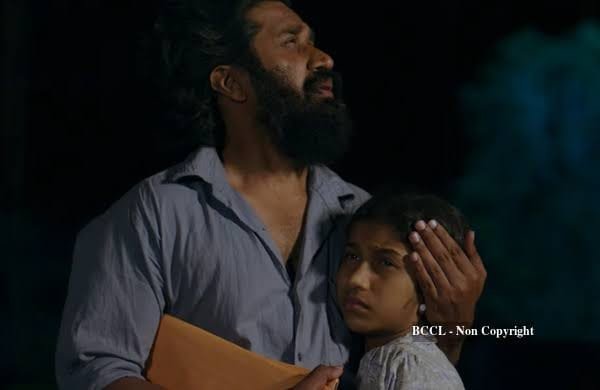
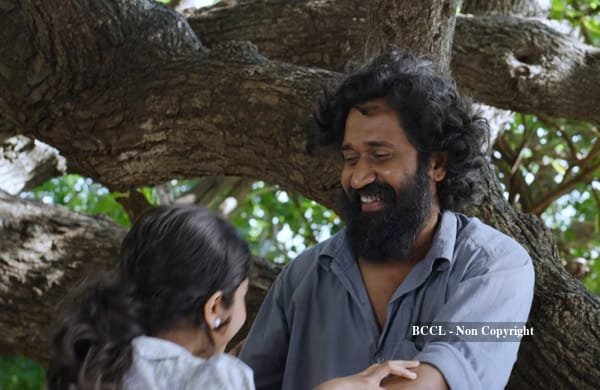
Ouseppachan’s background score further deepens the film’s emotional resonance. Songs featuring lyrics by Thamarai—such as “Vada En Chellakutti,” “Aagayam Melae,” and “Thalaivaari Poochoodi”—capture a spectrum of emotions, including pain, longing, affection, and hope. Prashanth Pranavam’s cinematography powerfully visualizes both the tension of war and the inner states of the characters.
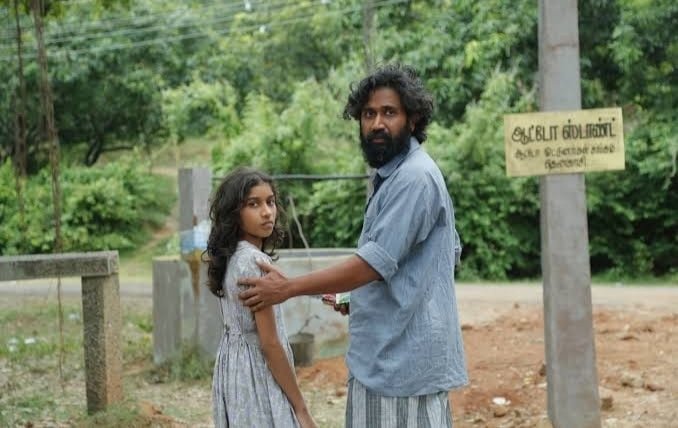
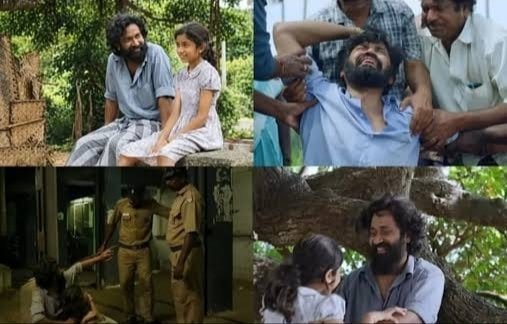
The film’s greatest strength lies in the fact that it does not limit the depiction of war’s horrors to mere scenes of explosions or airstrikes; instead, it explores how a family is torn apart and, crucially, how the world of a child is transformed as a result.

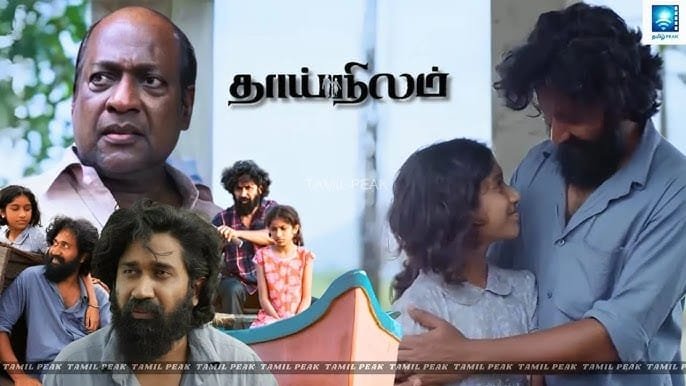
While the suffering endured by the people of Eelam is deeply distressing, the director elevates the film’s message by transcending the confines of a specific region’s conflict. He expands the narrative to address the universal pain of children orphaned by the loss of their parents due to war, wherever it may occur in the world. In the climax, the moment the daughter throws away the food packet and declares, “I want biryani,” does not pass as a mere ordinary scene. While it reveals the simple desire of a child amidst the hardships witnessed so far, it simultaneously drives home a profound truth: once forced into the life of a refugee, one must adapt to any circumstance to survive.
Becoming a refugee is never a matter of choice. These are people driven to flee—leaving behind their homes, land, relationships, and identities—simply to save their lives. Even more harrowing are the circumstances that force them into this plight. Watching this film compels us to question not only the anguish of the refugees themselves but also the wars and the lust for power that turn human beings into refugees in the first place.
At the same time, certain events the father and daughter encounter after arriving in Tamil Nadu from Sri Lanka feel somewhat contrived or unrealistic. The film’s flaws lie in the fact that most people they meet are portrayed as overly benevolent, and some scenes seem forced in an attempt to evoke pity.
Nevertheless, looking beyond these shortcomings, *Thaaynilam* poses a crucial question: “Why must innocent people lose their homeland and their lives because of the decisions made by those who instigate wars?”
The victims of war are the same everywhere. They, too, have homes, families, and dreams. Yet, the moment war breaks out, all those dreams are shattered. Children, in particular, are transformed into refugees and orphans through no fault of their own. ‘Thayinilam’ puts forward a powerful humanitarian perspective: one must not merely view the plight of refugees with pity but also question the circumstances that turned them into refugees in the first place.
‘Thayinilam’ is not just a film; it is a humanitarian record of what war destroys. While articulating the pain of the people of Eelam, it powerfully conveys that—wherever in the world war breaks out—it is innocent civilians and children who bear the heaviest burden.
‘Thayinilam’ sows the idea that, rather than simply pitying refugees, we must oppose the wars and conditions that create them.
‘Thayinilam’ is a film that everyone who values humanity should watch—a film that lingers in the mind long after the viewing.
This Is My Personal Review So Please Go and Watch The Movie In Theatres Only.
Written by B4U Media Admin Ratting B4u Media Admin 4.5 / 5