Apollo Hospitals launches Chennai’s Largest Network of SMART Advanced Cardiac Life Support (ACLS) Ambulances
Bringing Critical Care Closer to Patients: 1066 Emergency Services Assisted 12,794 People in Chennai Last Year
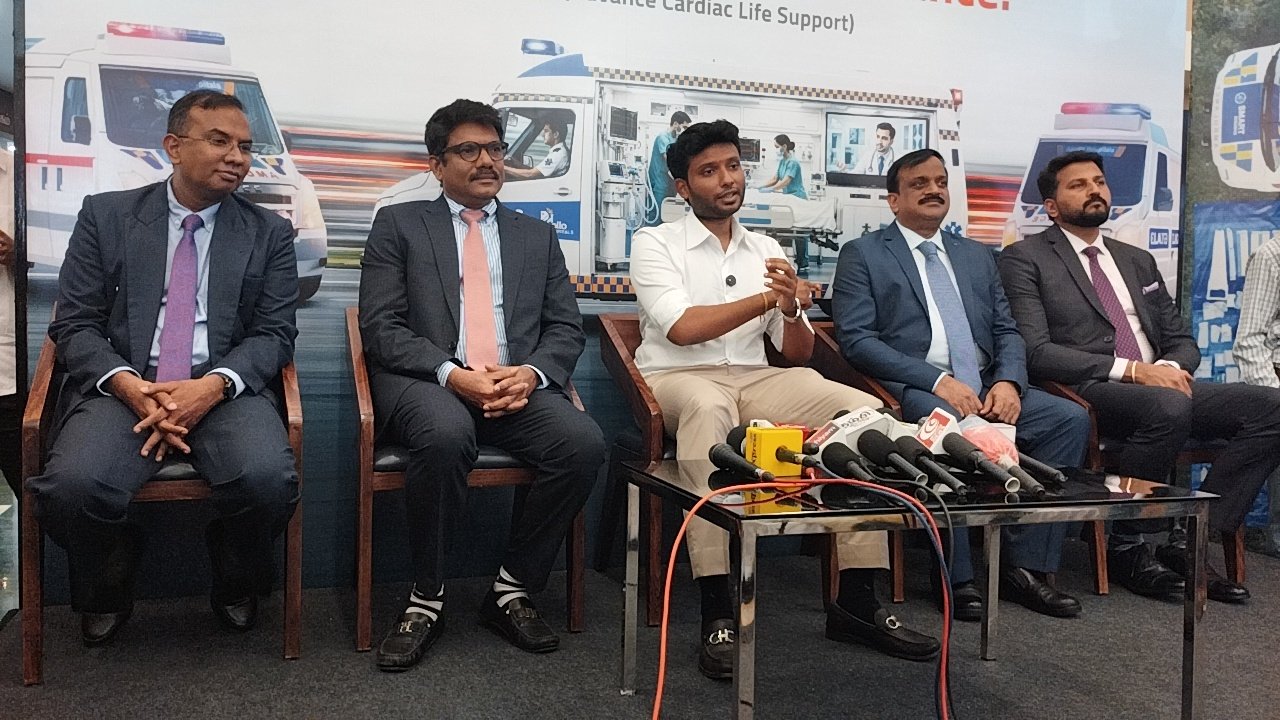
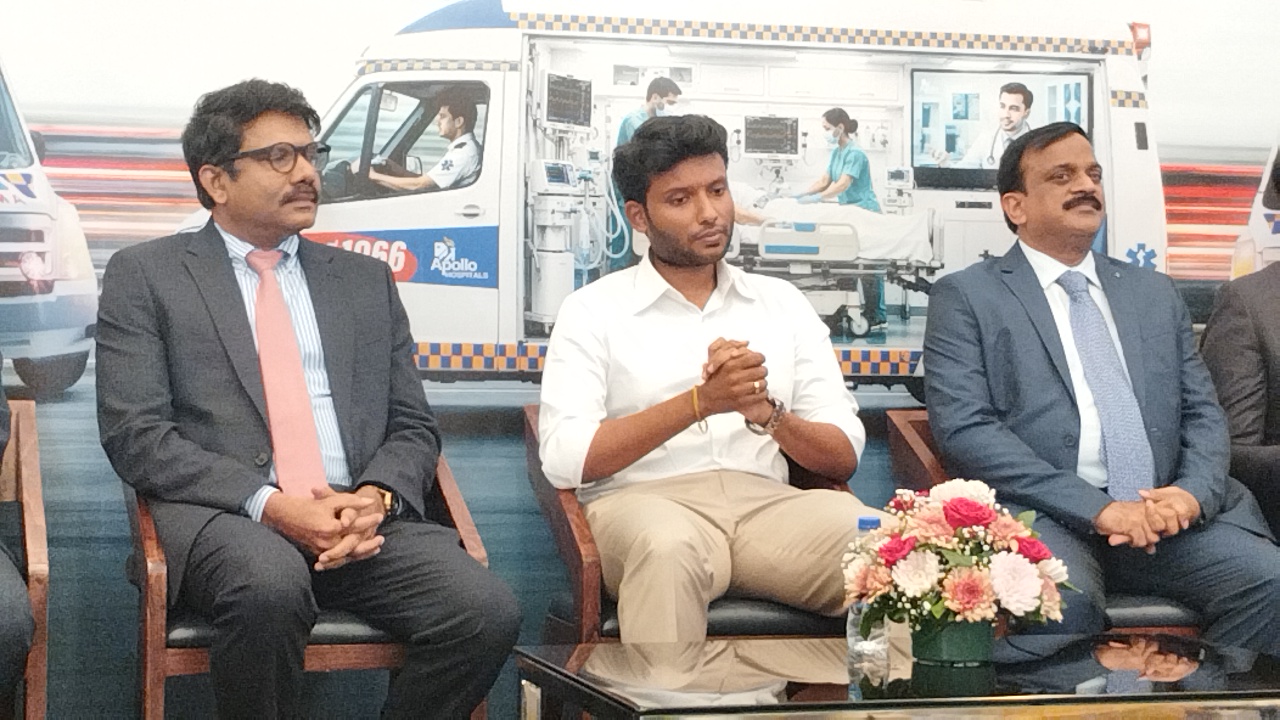
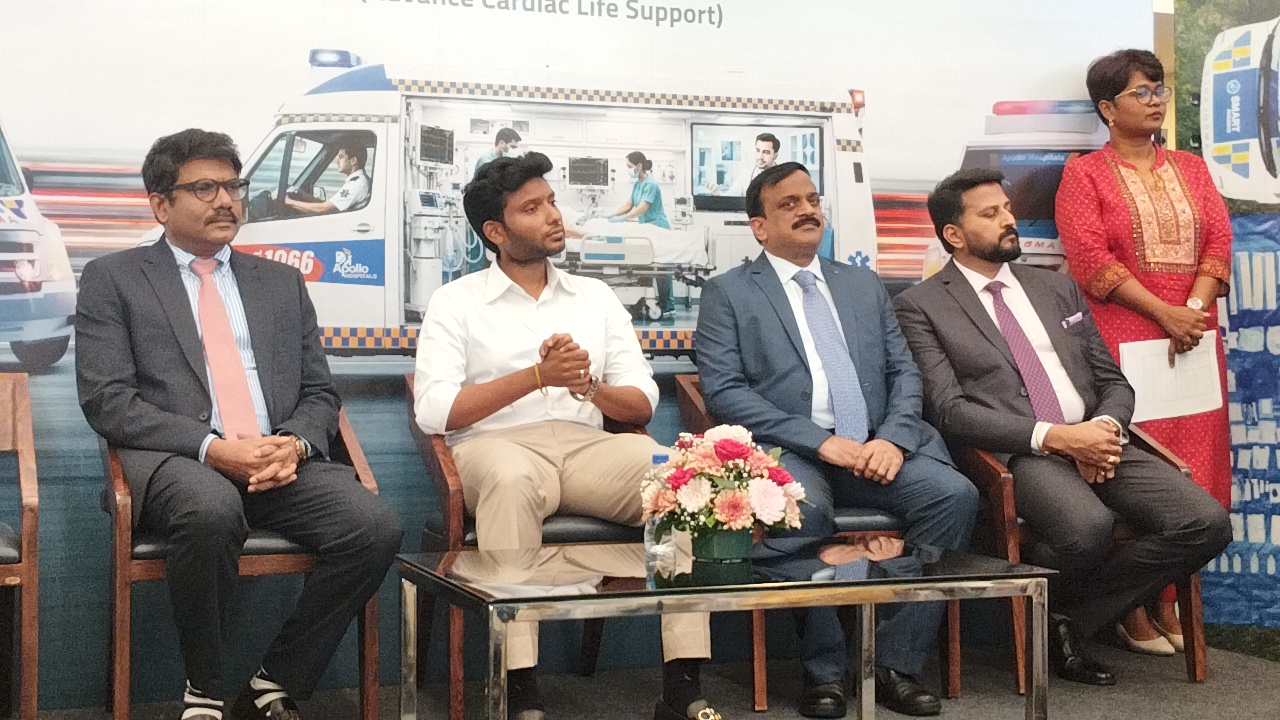
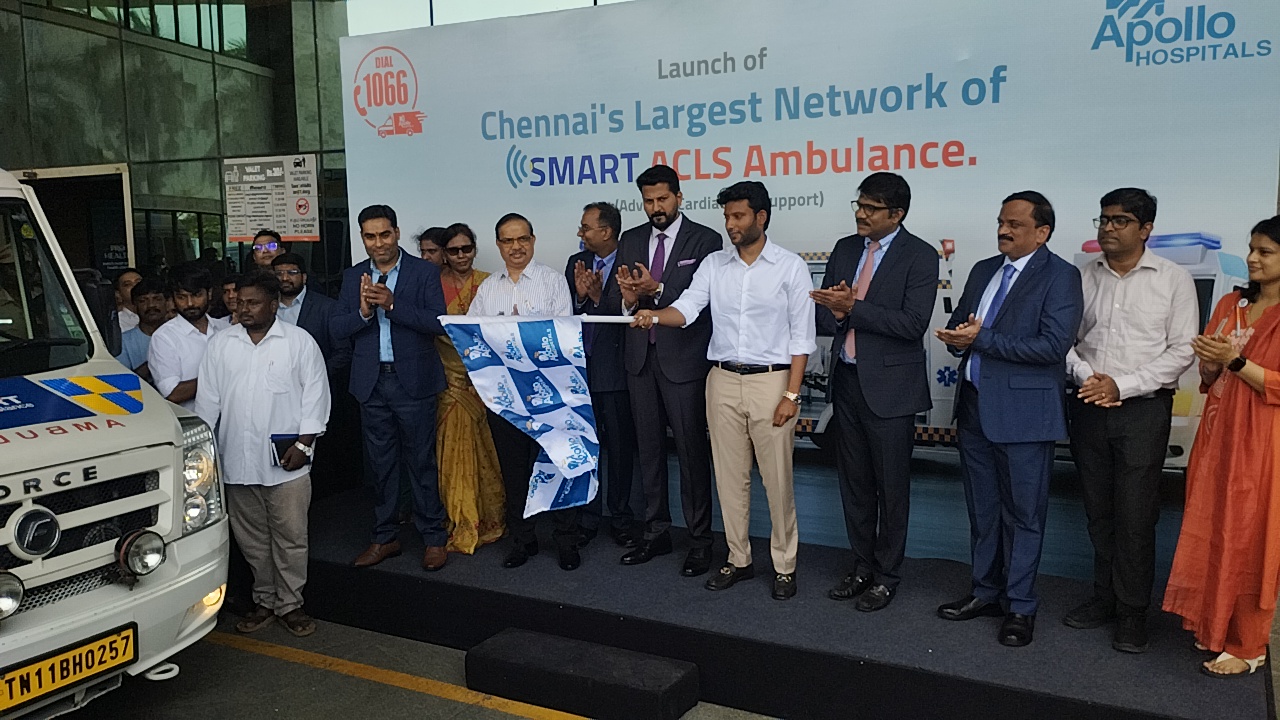
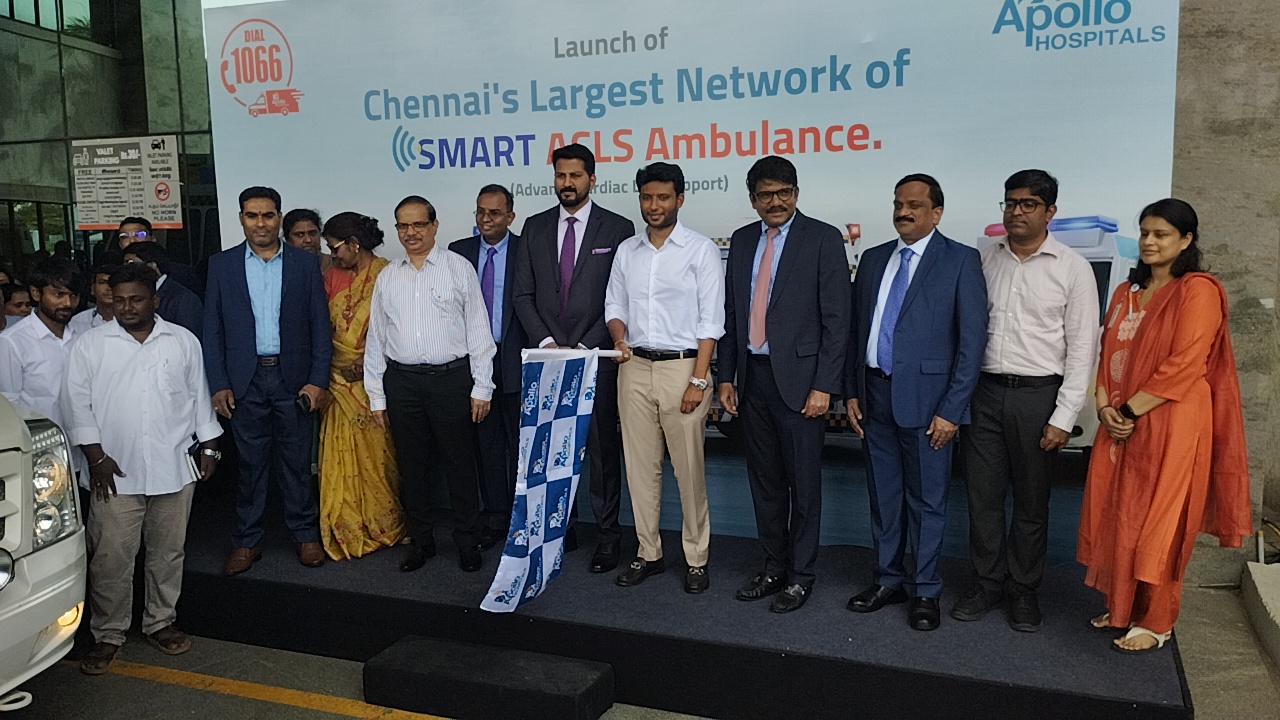
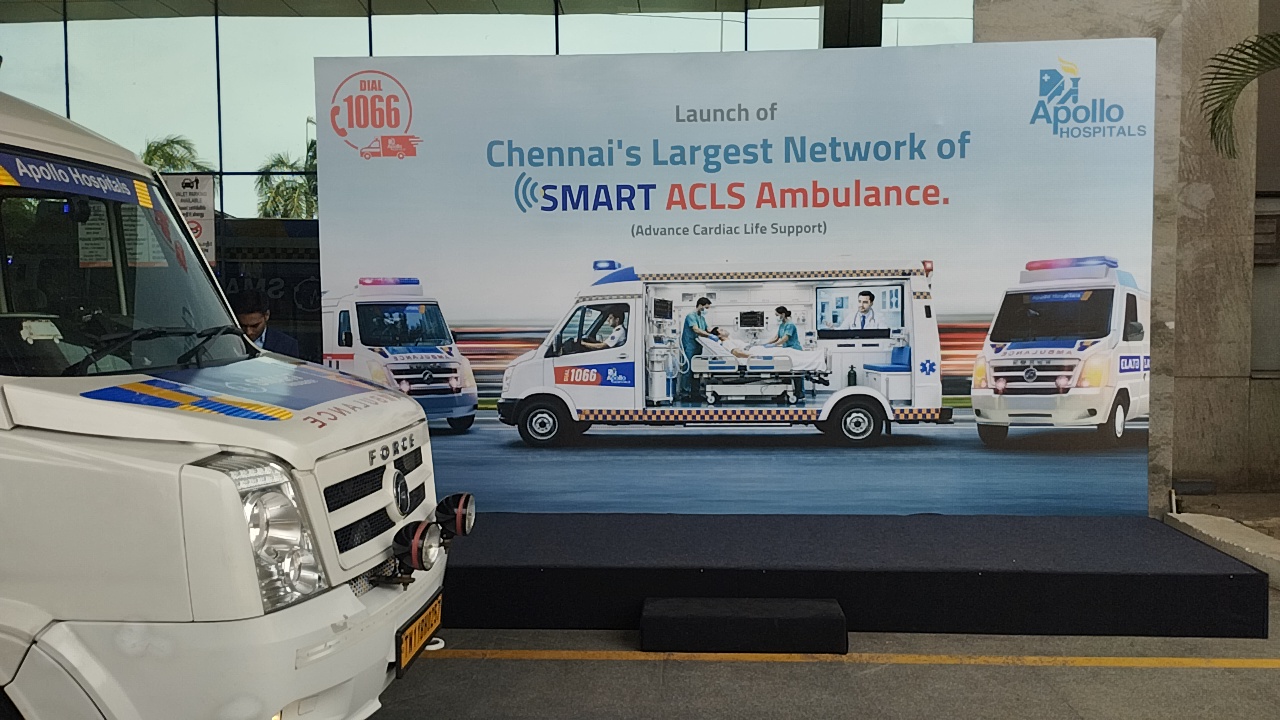
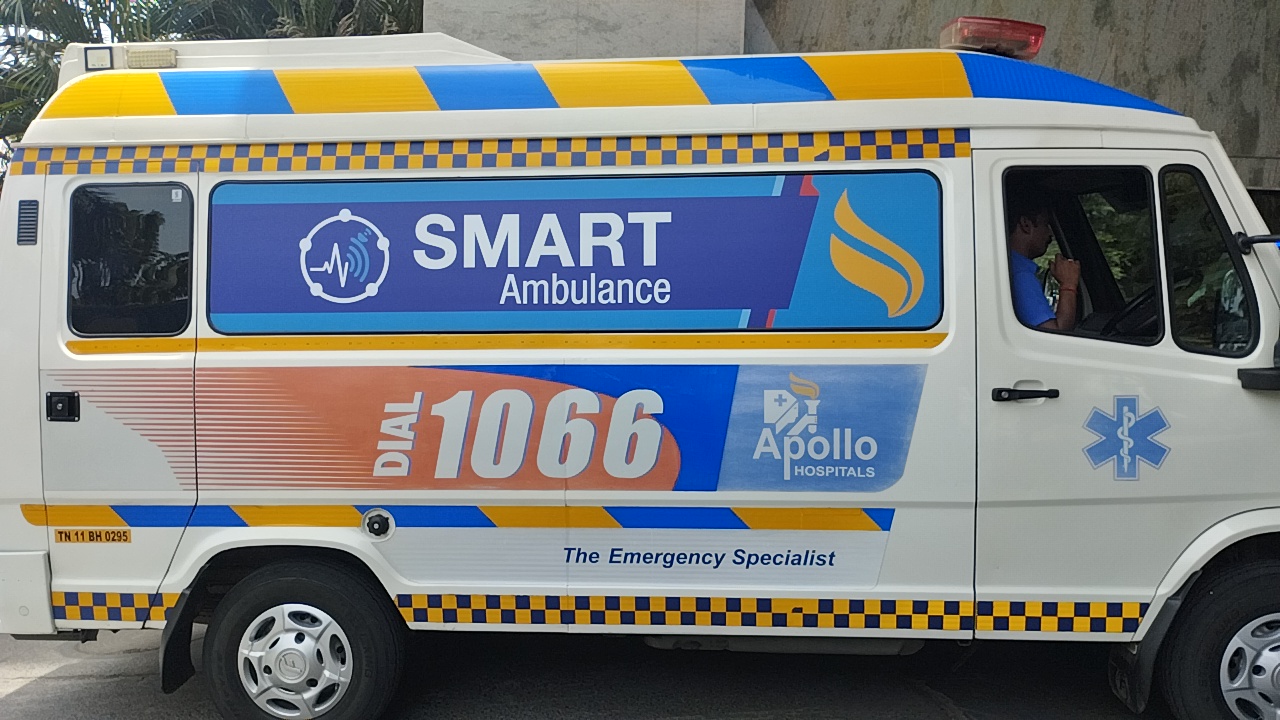
Chennai, June 2026: Apollo Hospitals has officially launched the city’s largest network of SMART Advanced Cardiac Life Support (ACLS) Ambulances, significantly expanding its pre-hospital critical care and emergency response capabilities. The fleet was inaugurated at Apollo Specialty Hospitals in Vanagaram by Thiru P. Rhevanth Charan, Maduravoyal Constituency Member of the Legislative Assembly. The launch also featured a live emergency response simulation that showcased the seamless integration between Apollo’s SMART ACLS Ambulances and the hospital’s Emergency Command Centre, enabling real-time clinical oversight, continuous patient monitoring, and timely life-saving interventions during transit.
Designed to function as ICUs on Wheels, these advanced vehicles utilize real-time digital technology to connect ambulance crews directly with hospital specialists during transit. By enabling critical medical interventions to begin on the road, the initiative aims to minimize treatment delays and improve patient outcomes across Chennai. The expansion comes in response to a growing demand for advanced emergency and medical services.
The SMART ACLS Ambulance ecosystem is integrated with several advanced technologies, including:
Al-enabled Computer-Aided Dispatch (CAD)
GPS-based real-time tracking
Electronic Patient Care Records (ePCR)
Live video telematics and teleconsultation support
Seamless integration with the Hospital Information System (HIS).
These features enable ambulance teams, emergency physicians, and hospital specialists to function as one integrated emergency care unit.
In the last year, 12,794 patients have received assistance from 1066 services in Chennai. The most common emergency reports are for trauma cases, chest pain, respiratory distress, and dialysis-related transport. The program’s ability to communicate clinical data and patient vitals in real time to hospital emergency rooms is a critical feature that allows medical staff to assess patients’ conditions prior to arrival and prepare for timely intervention. This helps to shorten treatment delays in critical situations like heart attacks, strokes, trauma, and respiratory distress.
Apollo’s Central Operations Command Center contributes to the SMART Ambulance ecosystem by constantly tracking ambulance movements, managing emergency responses, facilitating teleconsultations, and enabling real-time clinical decision-making. Its main feature is the ability to securely transmit live patient vitals and clinical data straight to hospital emergency rooms. This allows emergency room specialists to analyze a patient’s health and design personalized treatment plans before the ambulance arrives, saving critical minutes for time-sensitive medical crises like heart attacks, strokes, and severe trauma. The entire network .
is managed by Apollo’s Central Operations Command Center, which oversees fleet movement, coordinates responses, and facilitates immediate clinical decision-making.
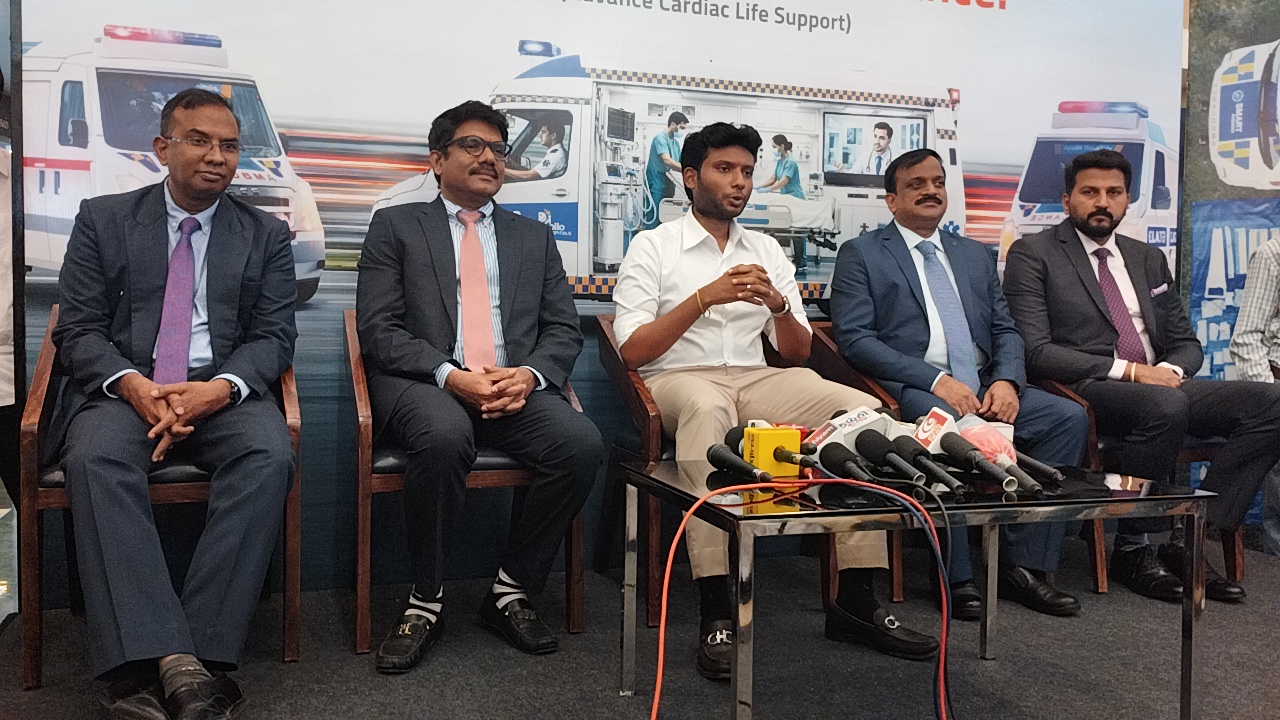
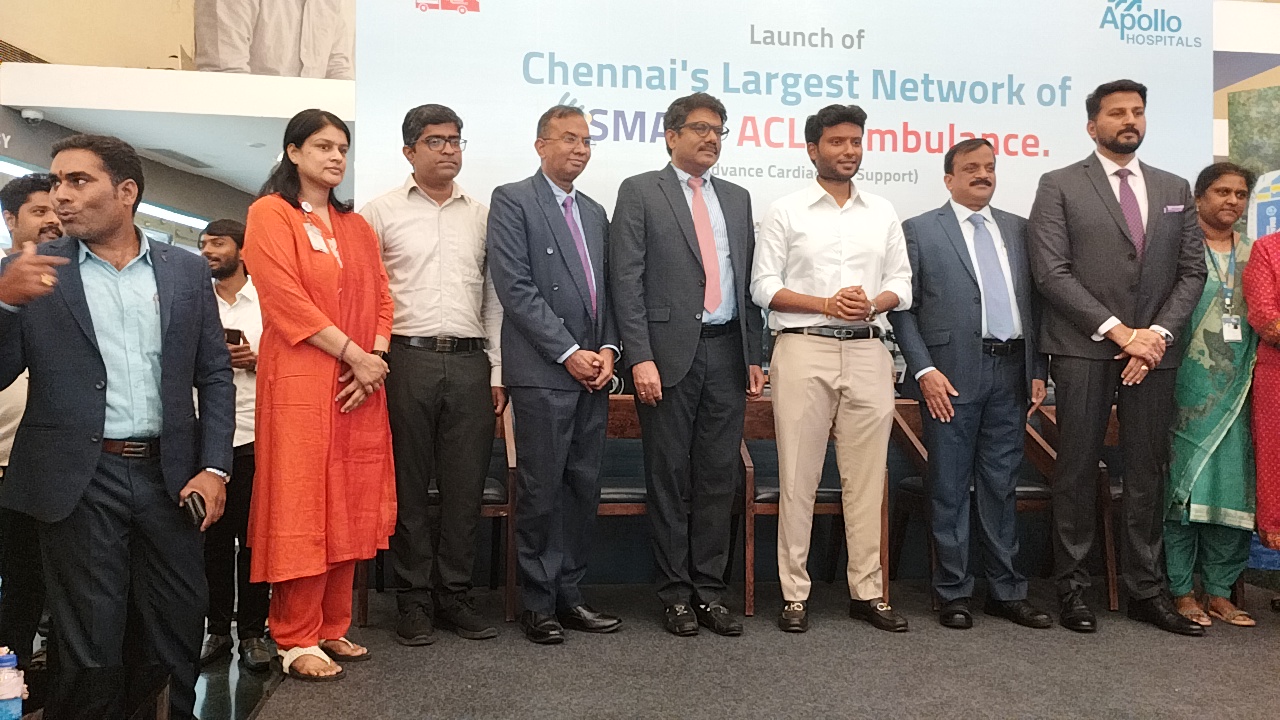
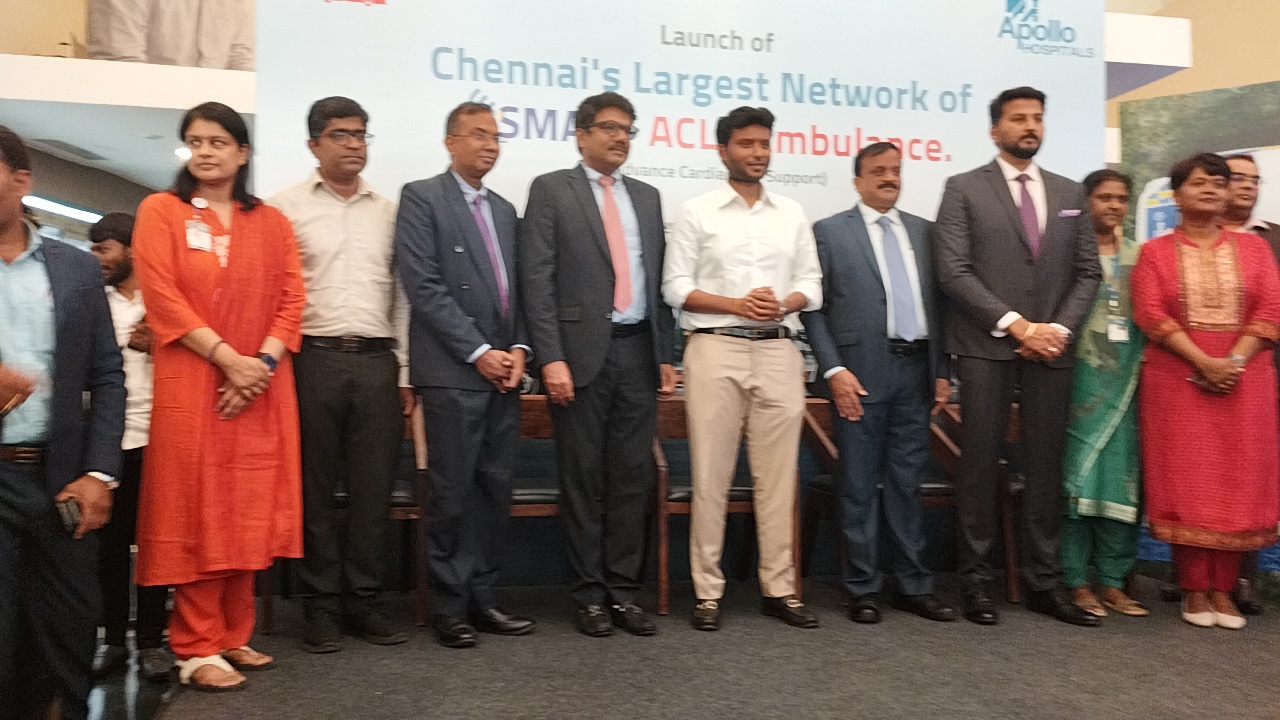
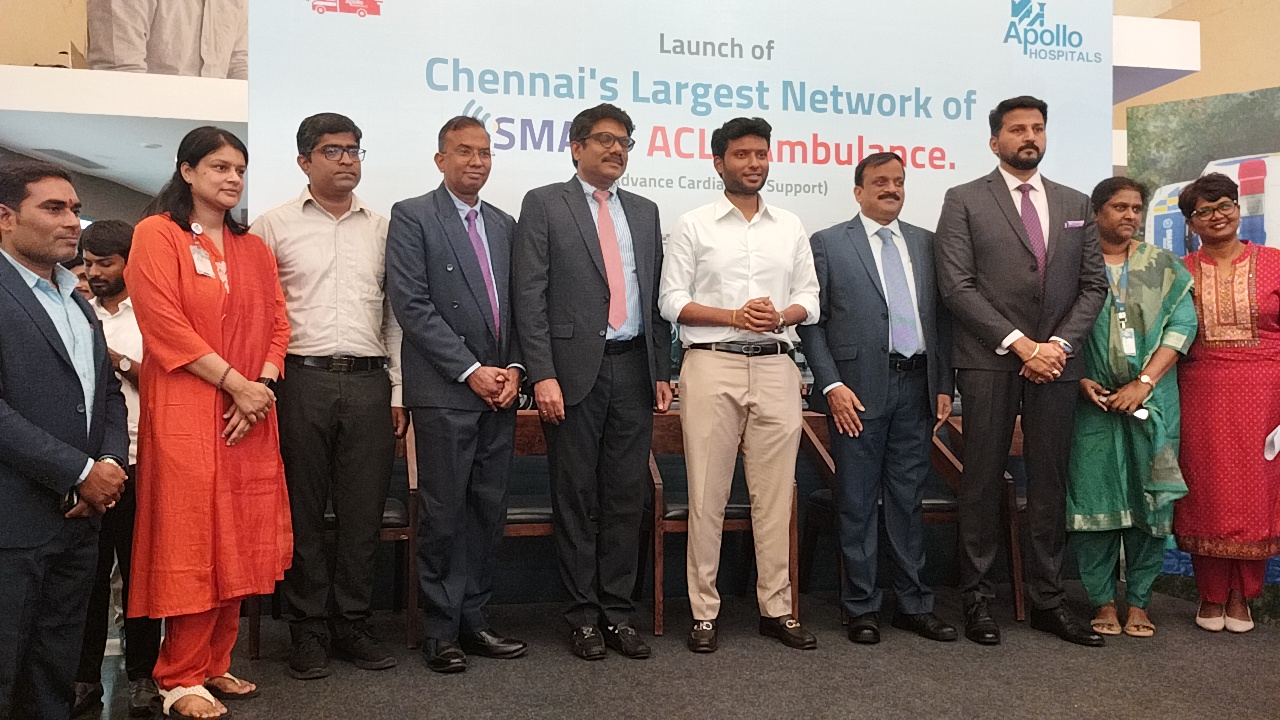
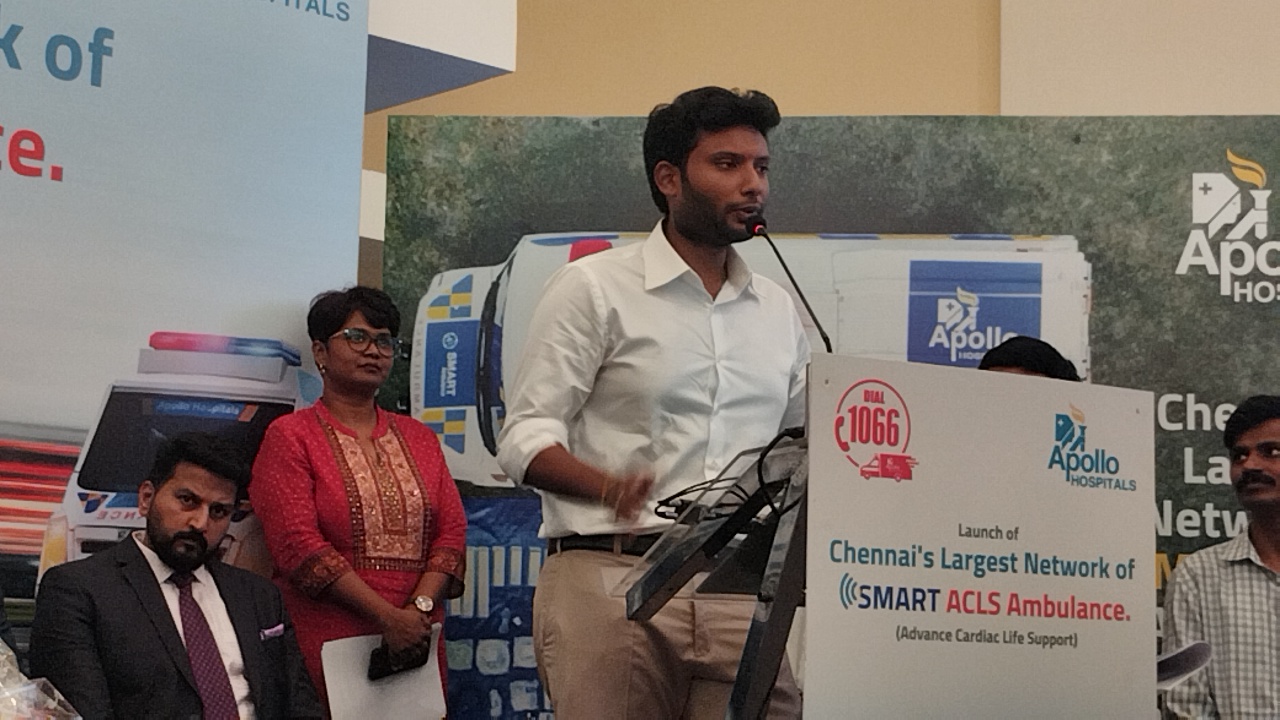
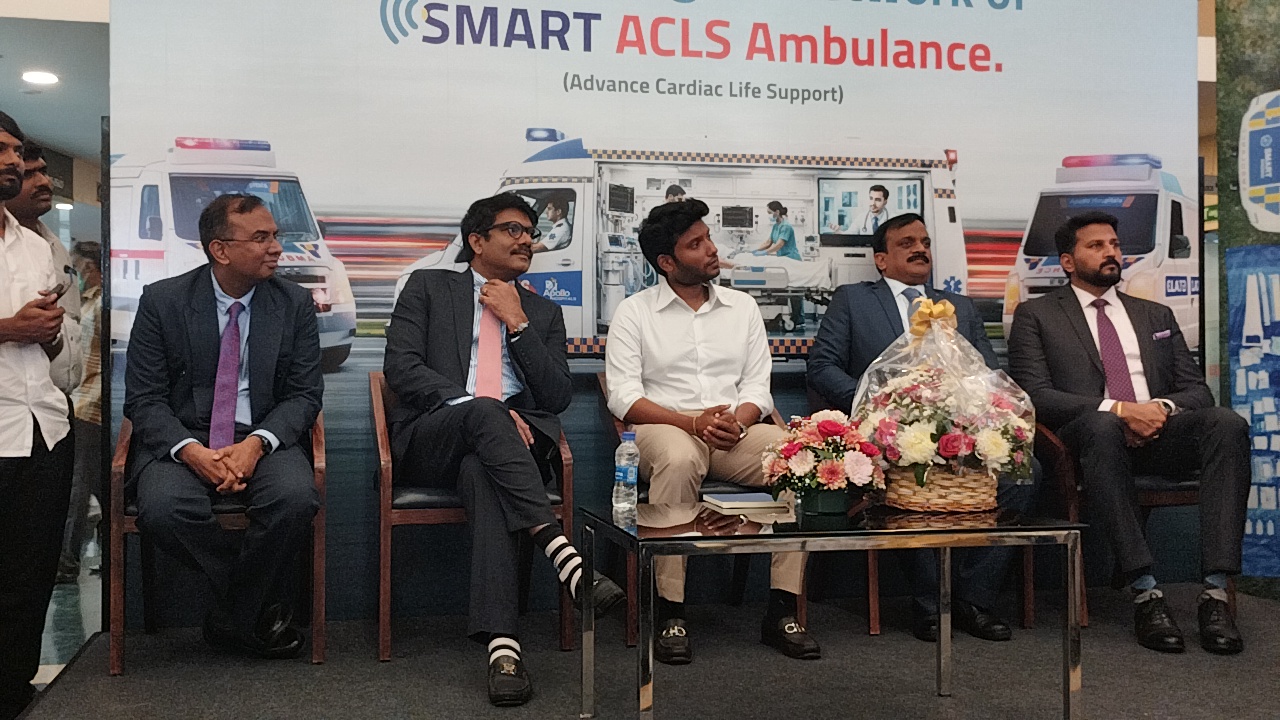
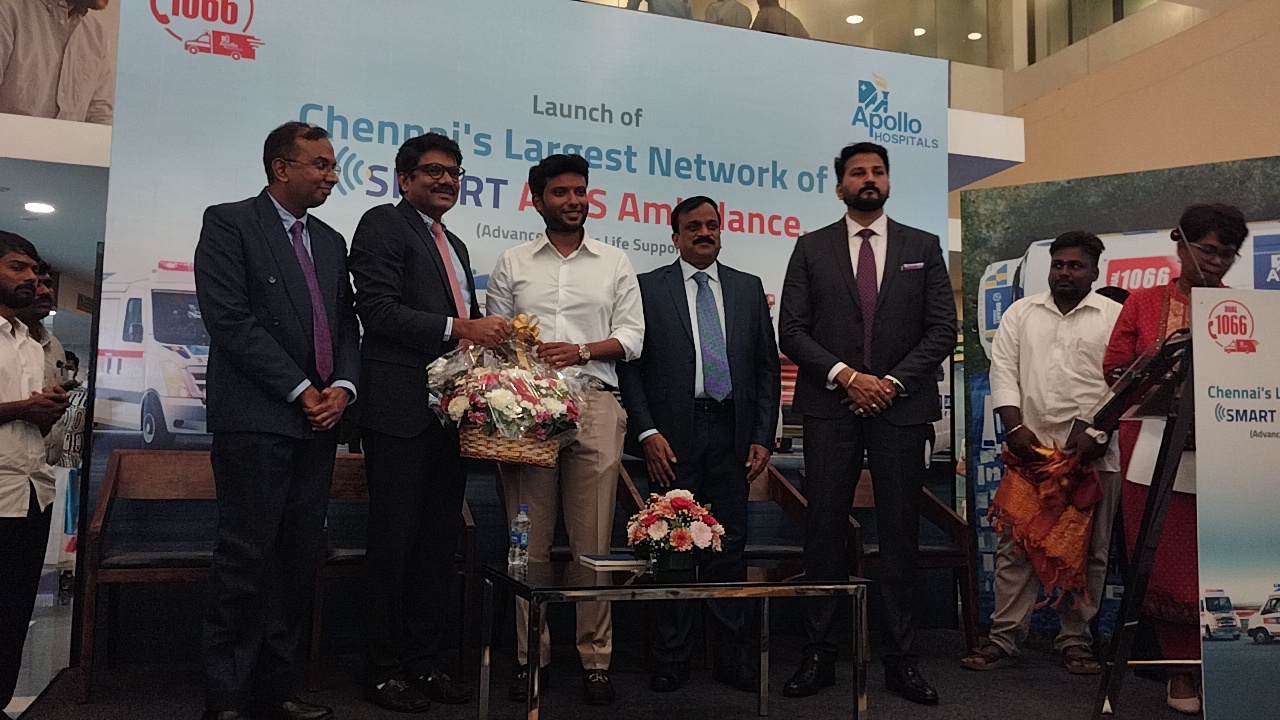
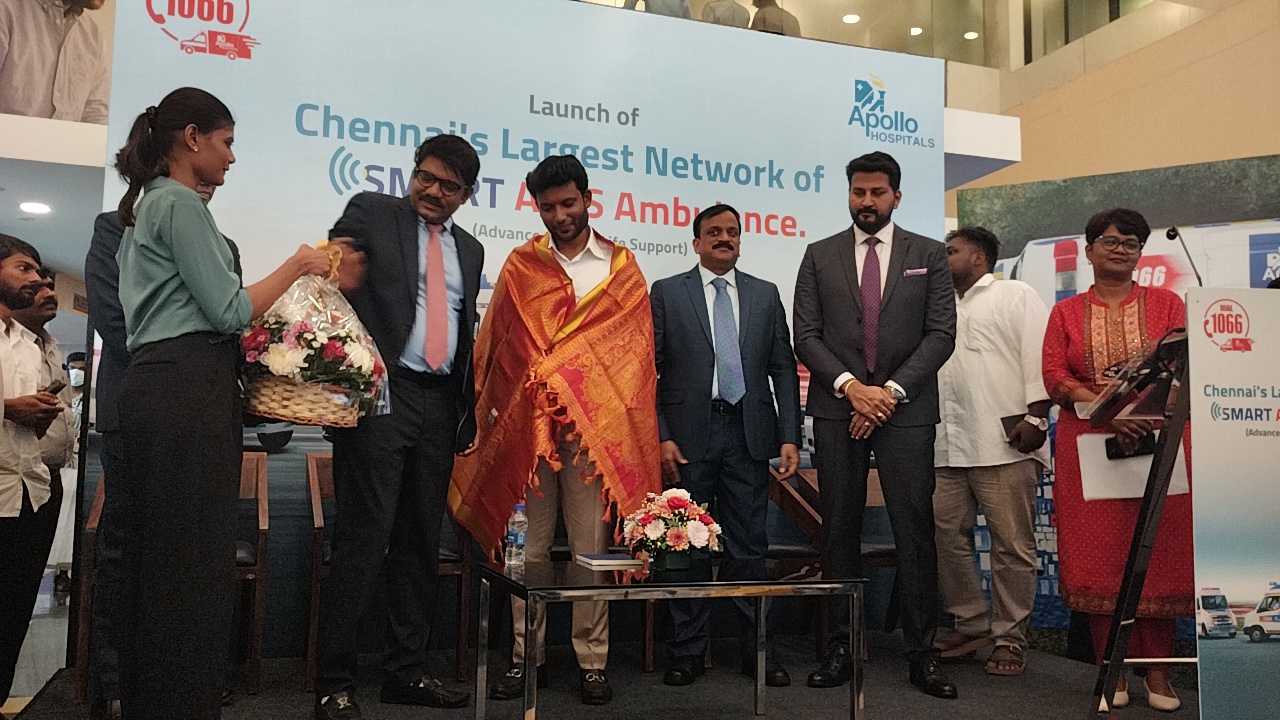
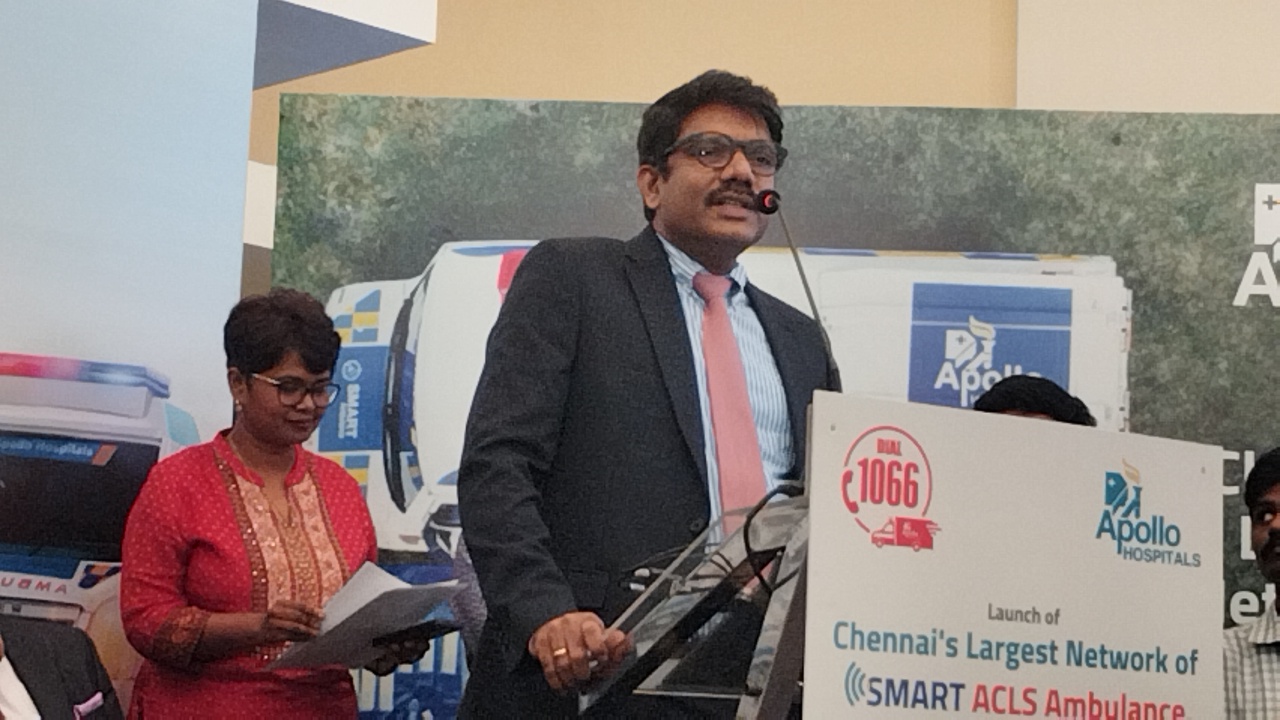
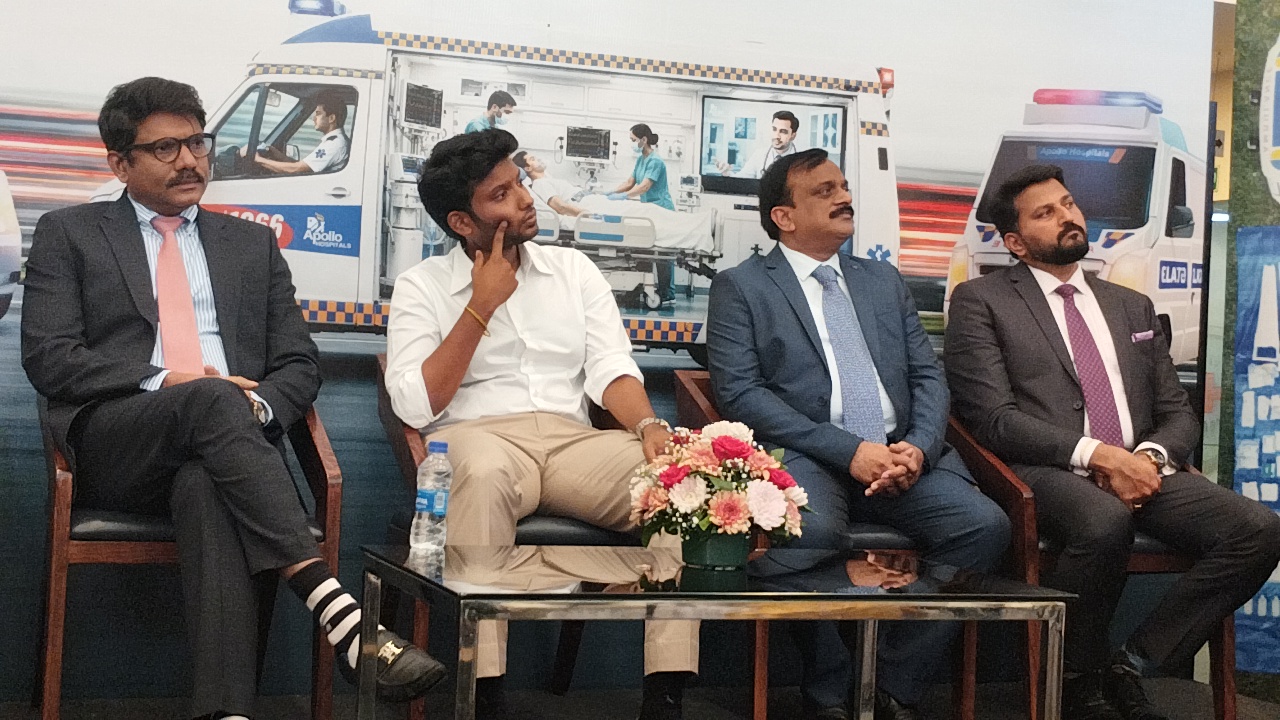
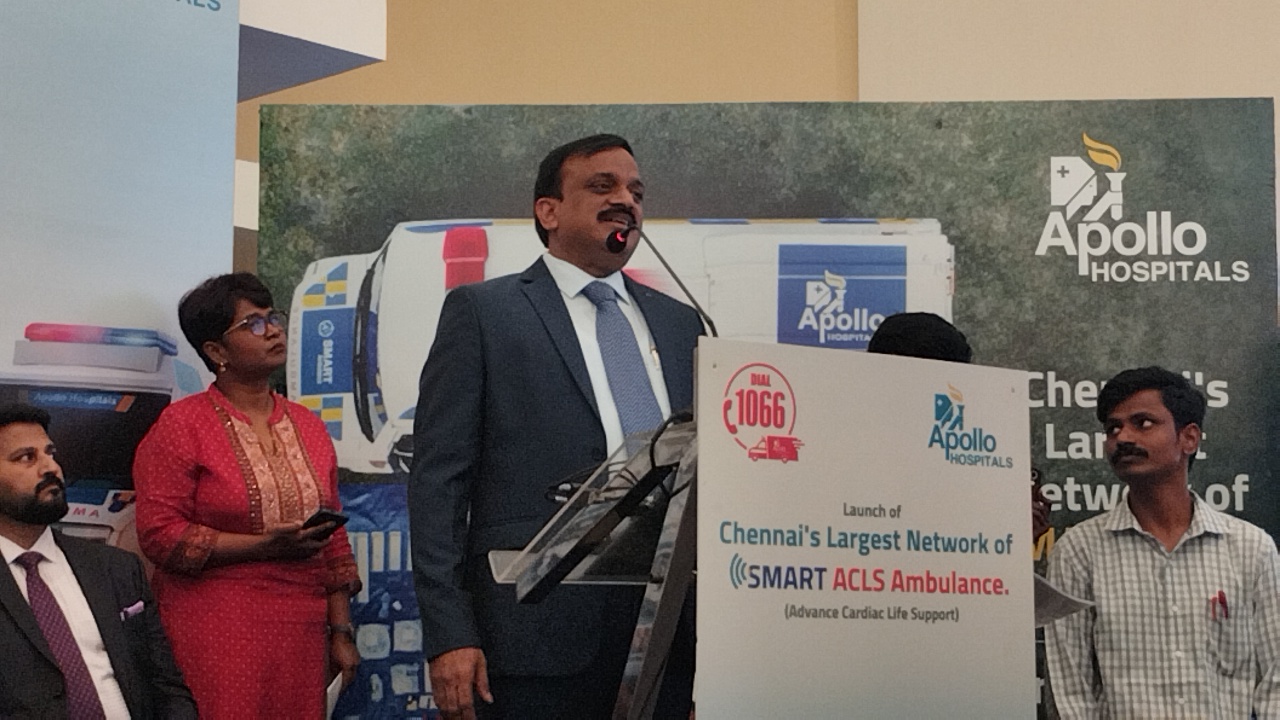
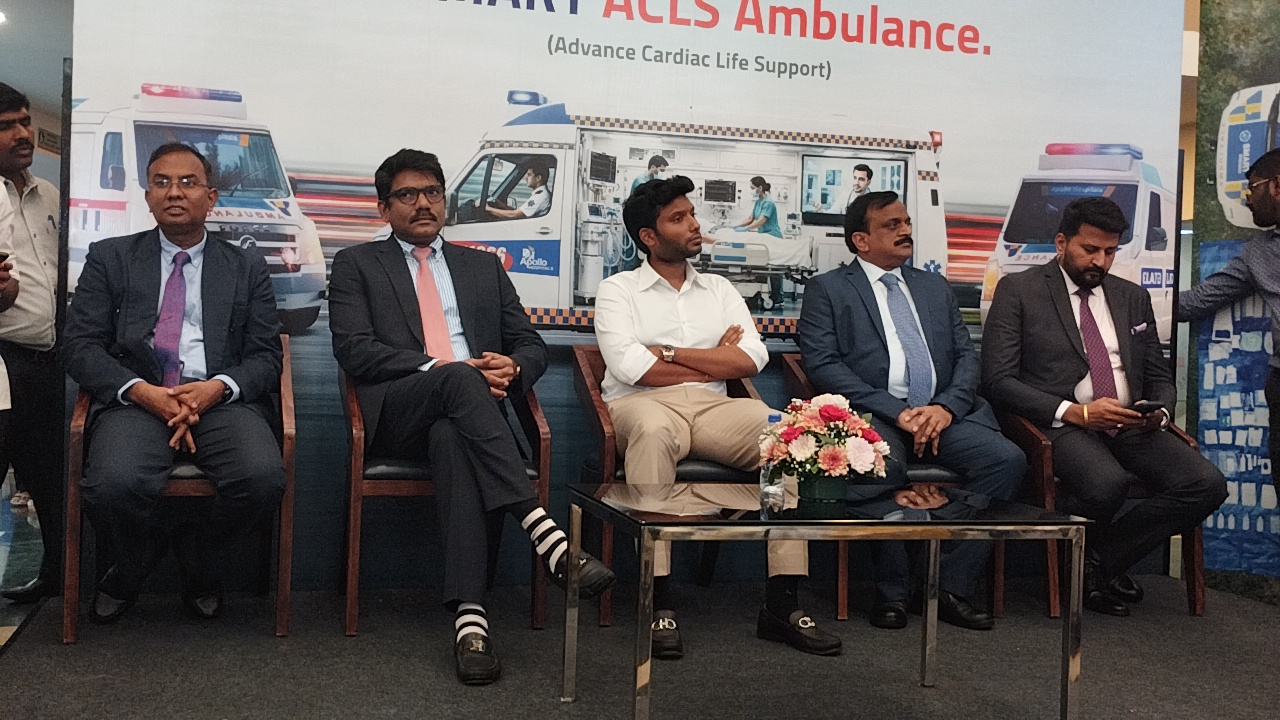
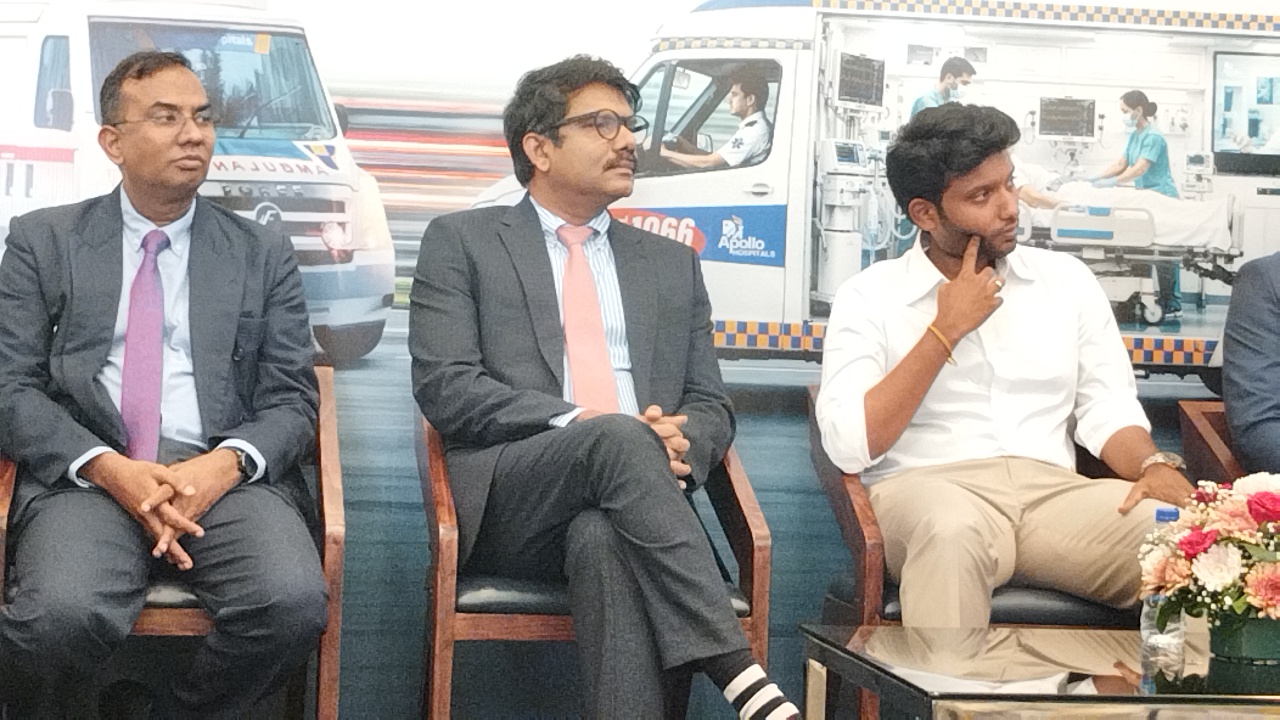
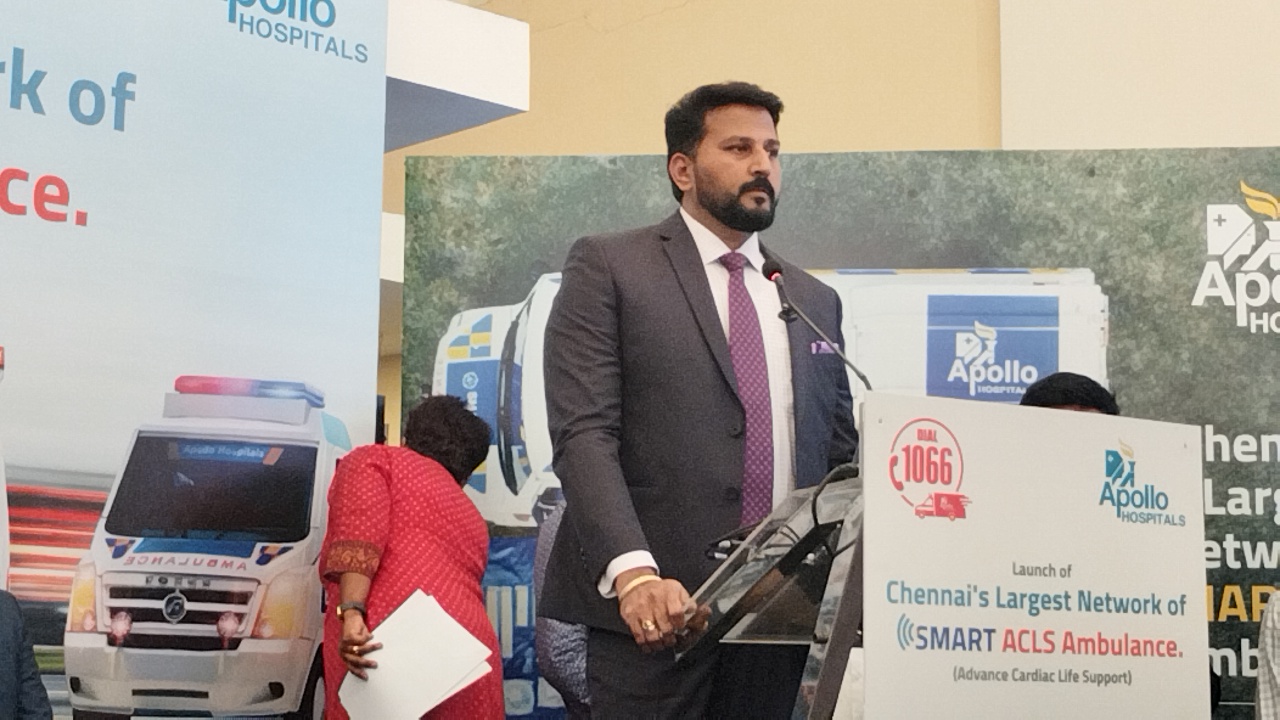
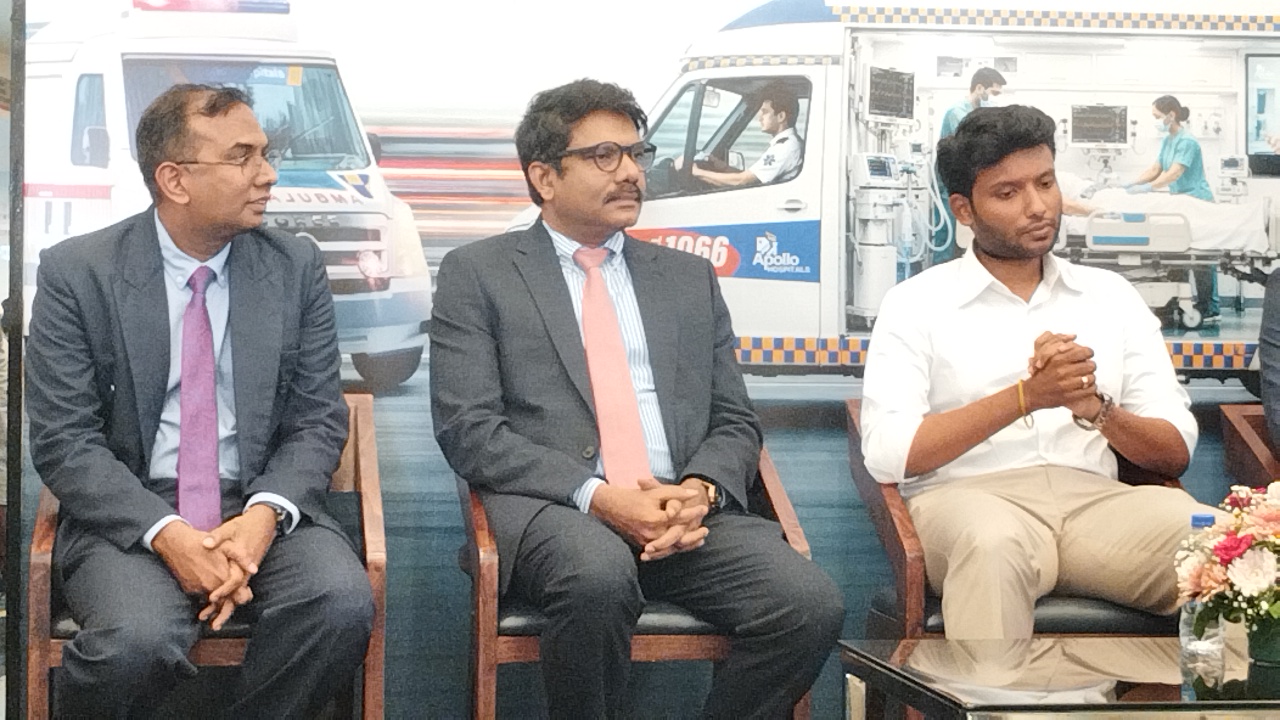
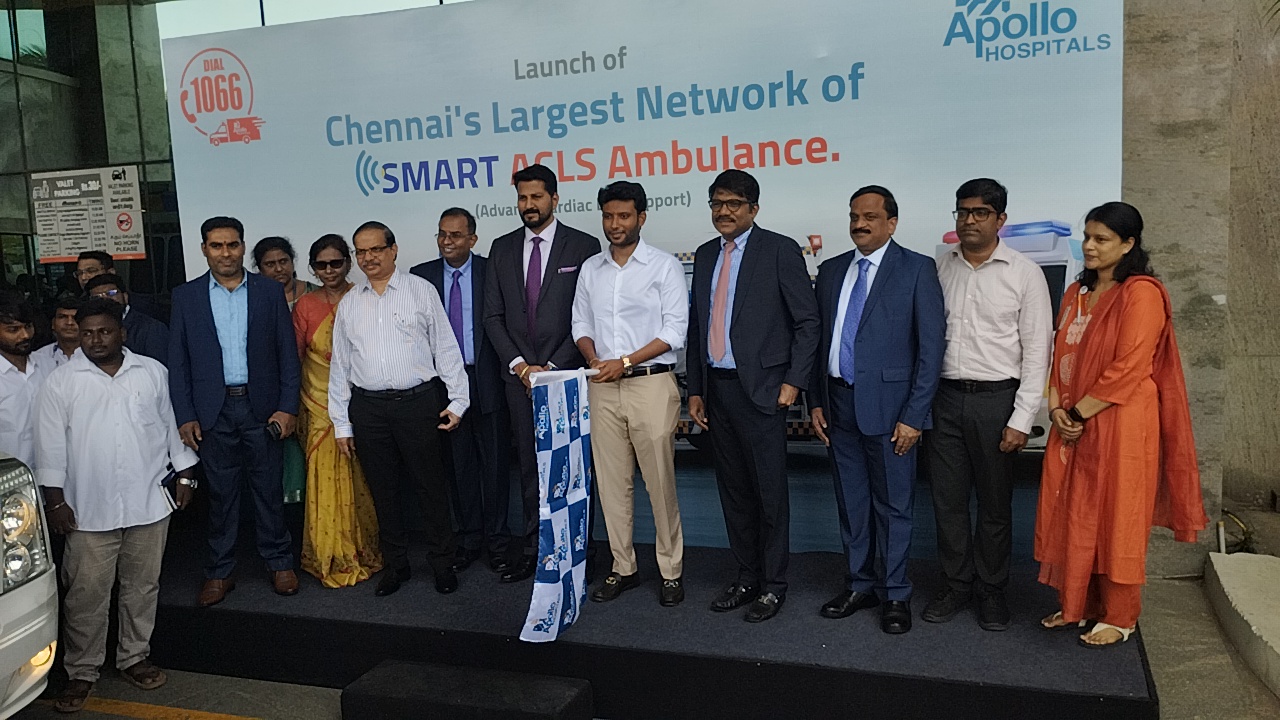
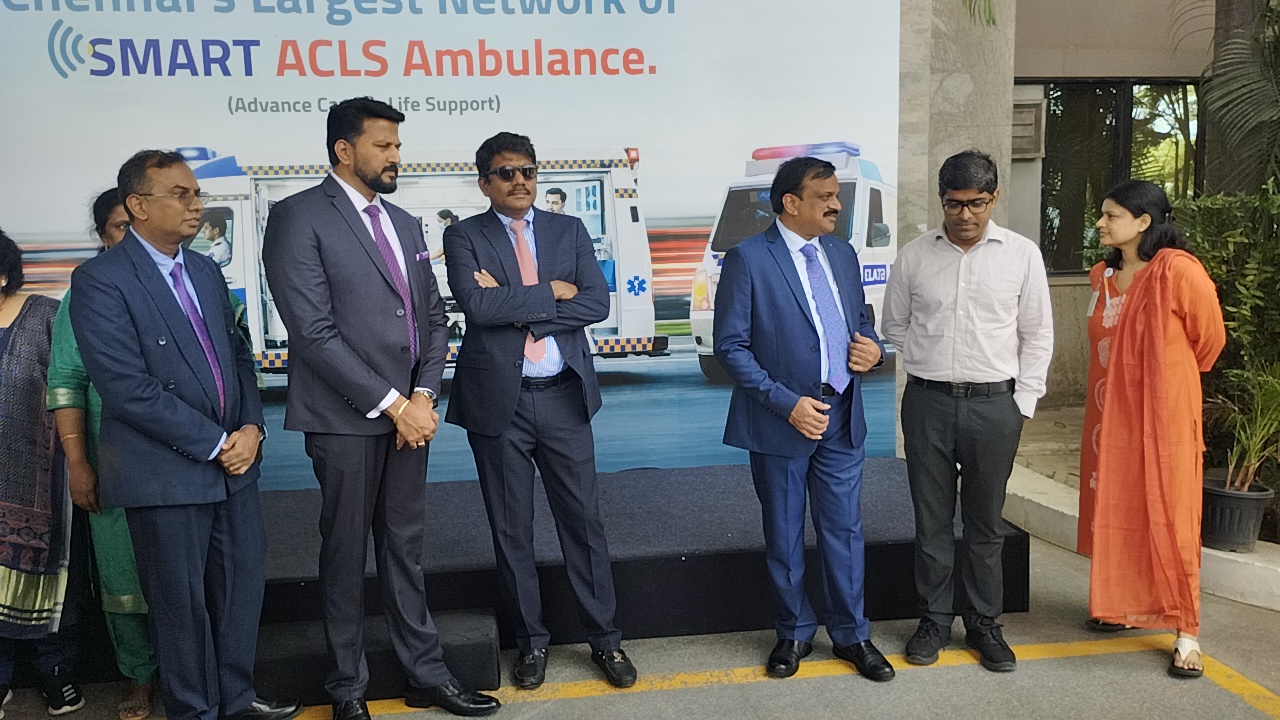
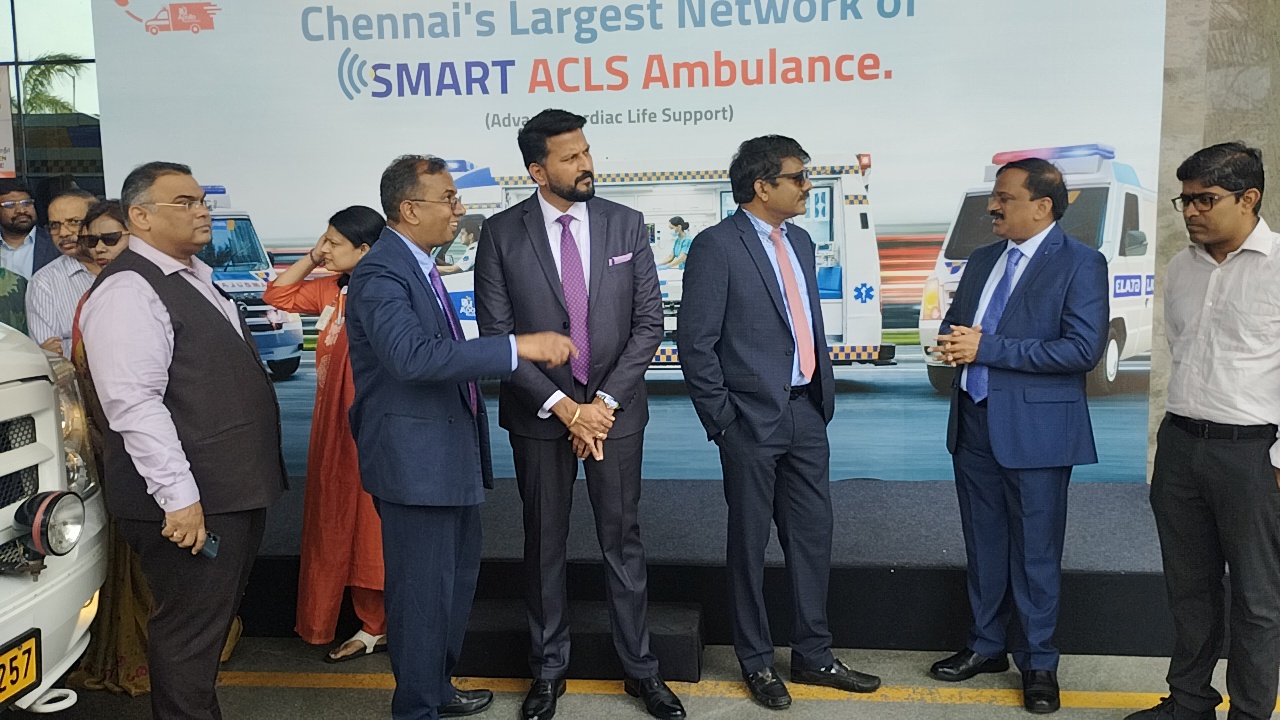
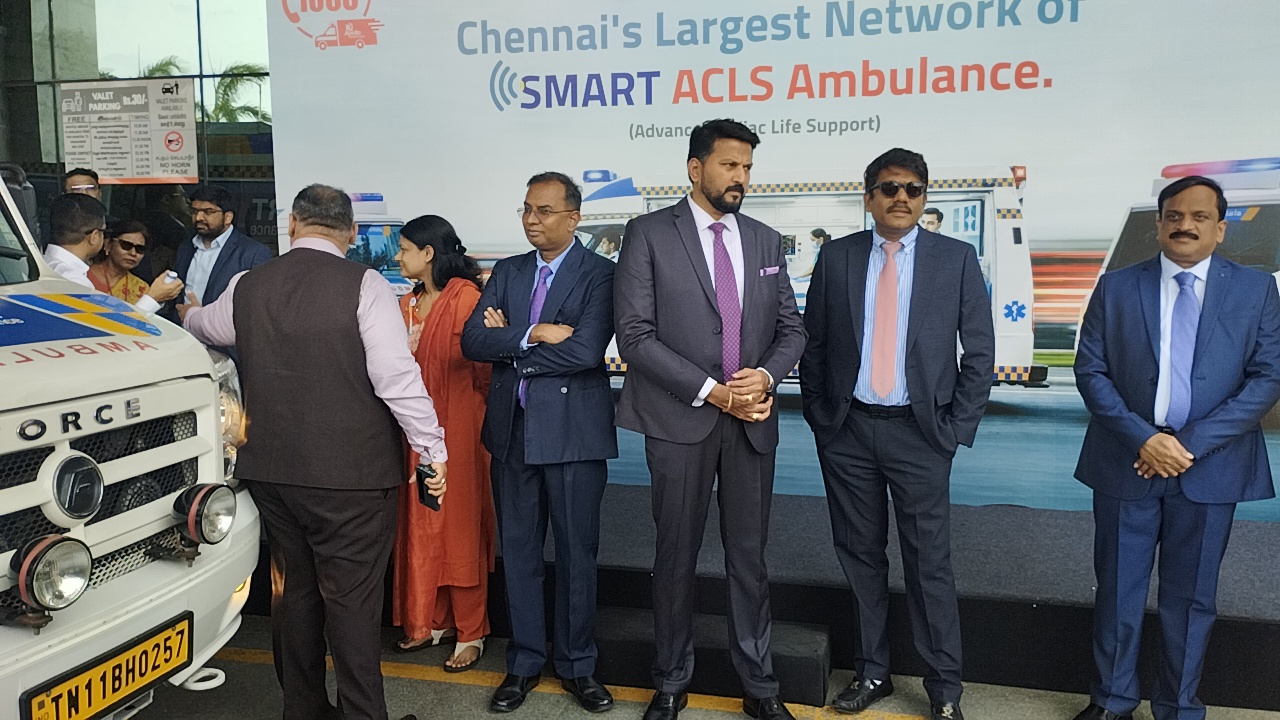
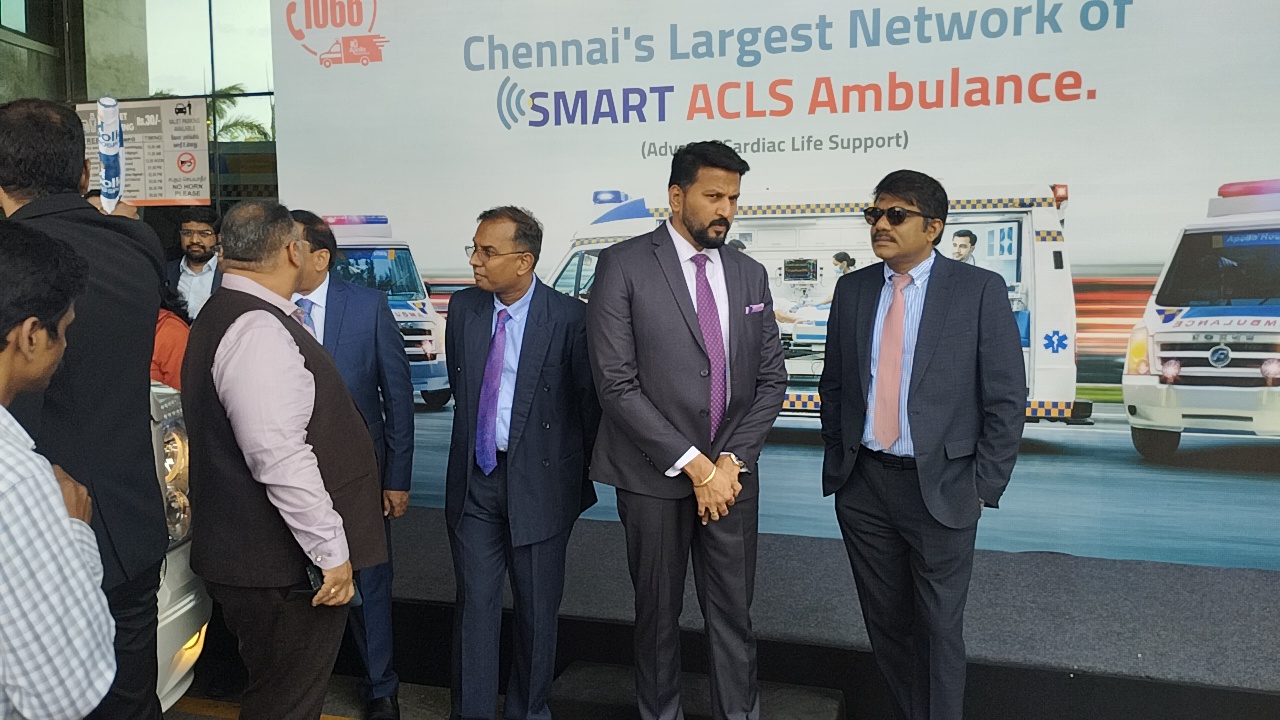
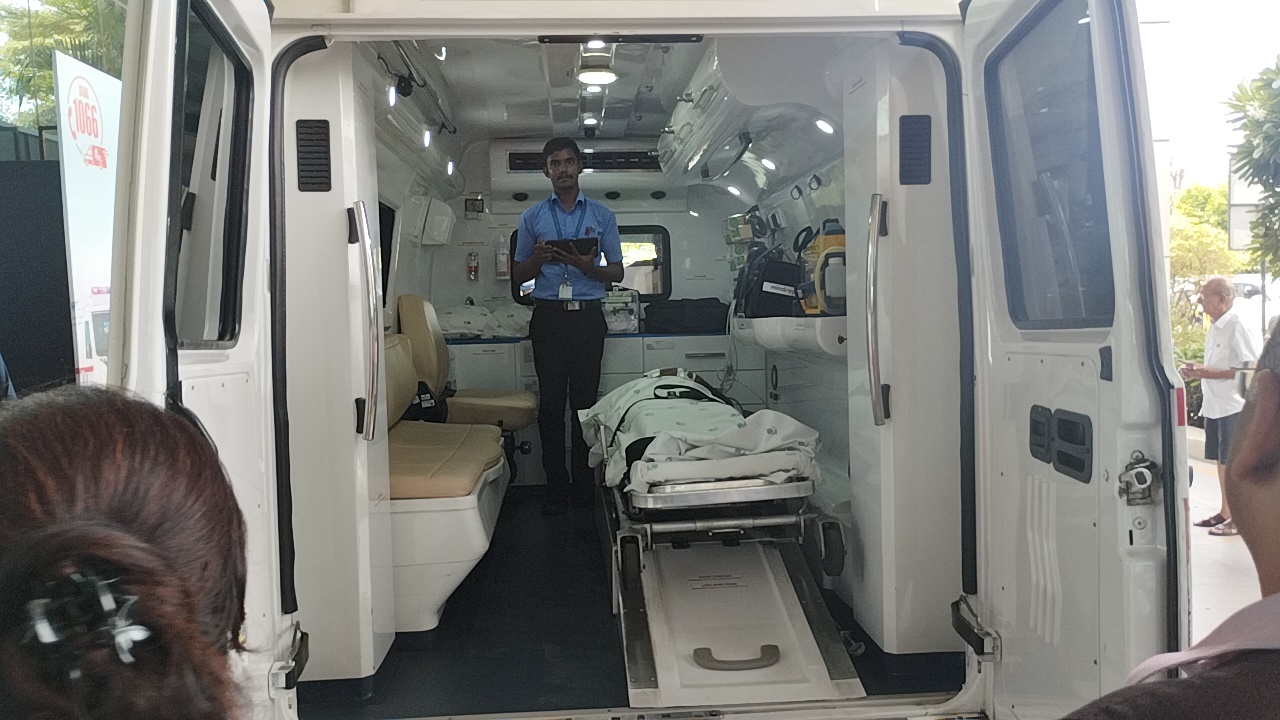
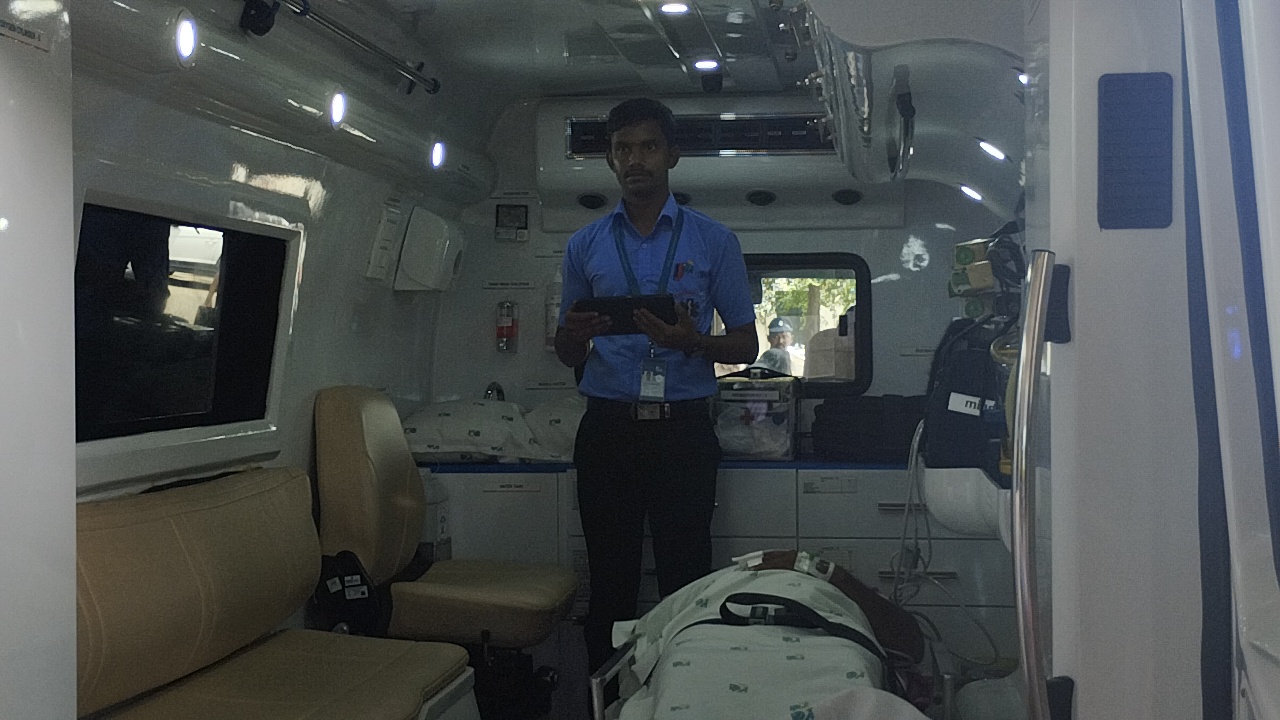
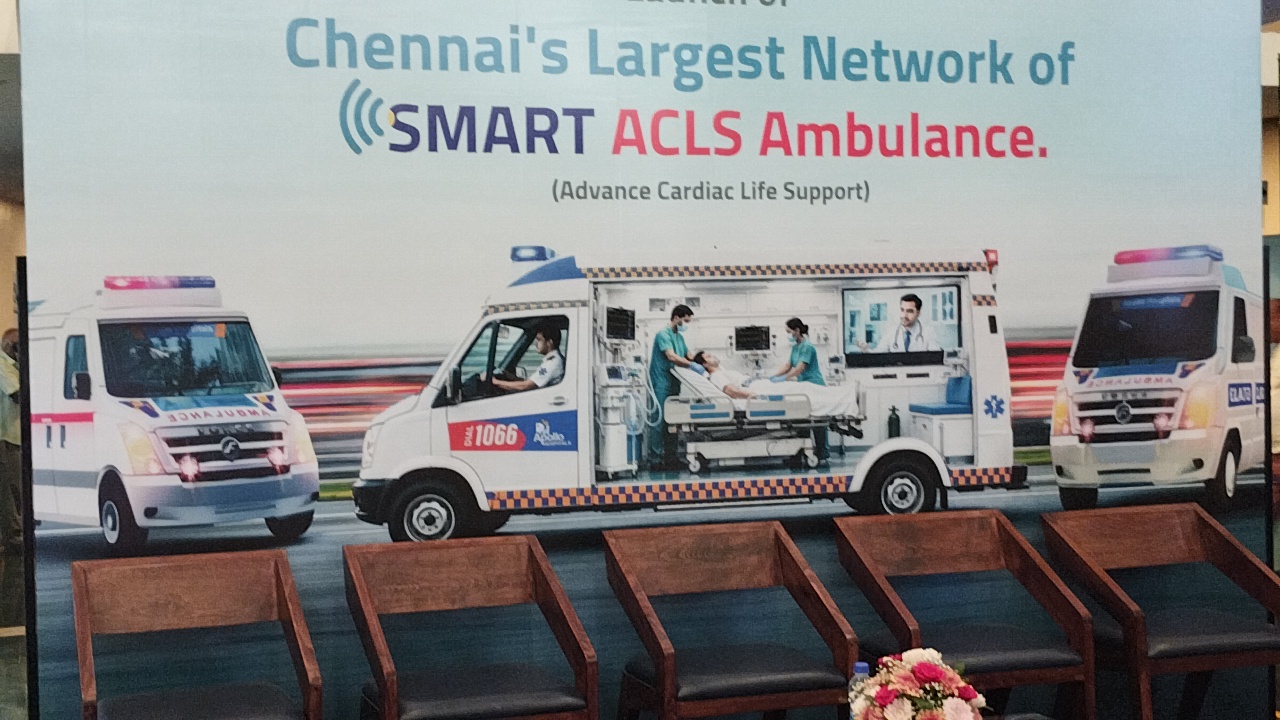
Speaking on the occasion, Dr. Ilankumaran Kaliamoorthy, Chief Executive Officer, Apollo Hospitals, Chennai Region said “Through Apollo 1066 Emergency Services, we continue to witness the growing demand for timely emergency care. Through this initiative, we aim to reach and support more people by making advanced emergency healthcare more accessible. This programme reflects our commitment to ensuring patients receive high-quality medical care when every second counts.”
On the significance of launching the fleet from Apollo Specialty Hospitals, Vanagaram, Dr. Ilankumaran added, “Apollo Vanagaram is one of Chennai’s most important emergency care hubs, connecting the city, industrial corridors, and national highways. As a quaternary care centre with expertise across cardiac, neuro, trauma, paediatric, gastroenterology, critical care, oncology and burns management, it is ideally positioned to anchor this next generation of technology-enabled emergency services. Through Apollo’s network and our connected emergency ecosystem, treatment can begin even before the patient reaches the hospital.”
Commenting on the clinical impact of the initiative, Dr. Dhavapalani A, Regional Clinical Director, Emergency Departments, Southern Region, Apollo Hospitals, said “These Smart ACLS Ambulances function as mobile ICUs, enabling our teams to initiate life-saving treatment for heart attacks, strokes, trauma, and other critical emergencies while patients are on their way to the hospital. Through advanced equipment, trained emergency personnel, and real-time connectivity with hospital specialists, we can reduce treatment delays and improve patient outcomes when every minute matters.”
Mr. Vijay Varma S, Chief Operating Officer Logistics, Apollo Hospitals and Mr. Kaarthik Ramamurthy, Chief Operating Officer, Apollo Speciality Hospitals, Vanagaram were also present at the flag-off ceremony.
Case Studies: Real-Life Impact of Pre-Hospital Emergency Care
Case 1: While being transported in a 1066 Advanced Life Support Ambulance, the patient suffered a sudden cardiac arrest. The onboard paramedic immediately recognised the emergency and initiated advanced resuscitation measures under the guidance of an emergency physician. Electrical cardioversion and cardiopulmonary resuscitation (CPR) were administered promptly, restoring spontaneous circulation within minutes. The patient’s airway was secured, oxygen support initiated, and blood pressure stabilised before reaching the receiving hospital, where the patient was safely handed over for definitive care.
Case 2: In another instance, a young expectant mother travelling by train went into active labour and delivered a preterm baby before medical assistance could reach her. Following an emergency call, the 1066 Ambulance team arrived within minutes at Chennai Central Railway Station. The trained paramedic provided immediate neonatal care, including airway suctioning and sterile umbilical cord management, before safely transporting both mother and newborn for further medical care. The timely intervention ensured the safety and well-being of both patients during a critical situation.
These cases underscore the vital role of trained paramedics, advanced ambulance infrastructure, physician-led teleconsultation, and seamless coordination in delivering life-saving care before patients reach the hospital.
About Apollo Hospitals: Apollo revolutionized healthcare when Dr. Prathap Reddy opened
the first hospital in Chennai in 1983. Today, Apollo is the world’s largest integrated healthcare platform with over 10,400 beds across 76 hospitals, 6,600+ pharmacies, 264 clinics, 2,182 diagnostic centres, and 800+ telemedicine centres. It is one of the world’s leading cardiac centers, having performed over 3,00,000 angioplasties and 2,00,000 surgeries. Apollo continues to invest in research and innovation to bring the most innovative technologies, equipment, and treatment protocols to ensure patients have access to the best care in the world. Apollo’s 1,20,000 family members are dedicated to delivering exceptional care and leaving the world better than we found it.